

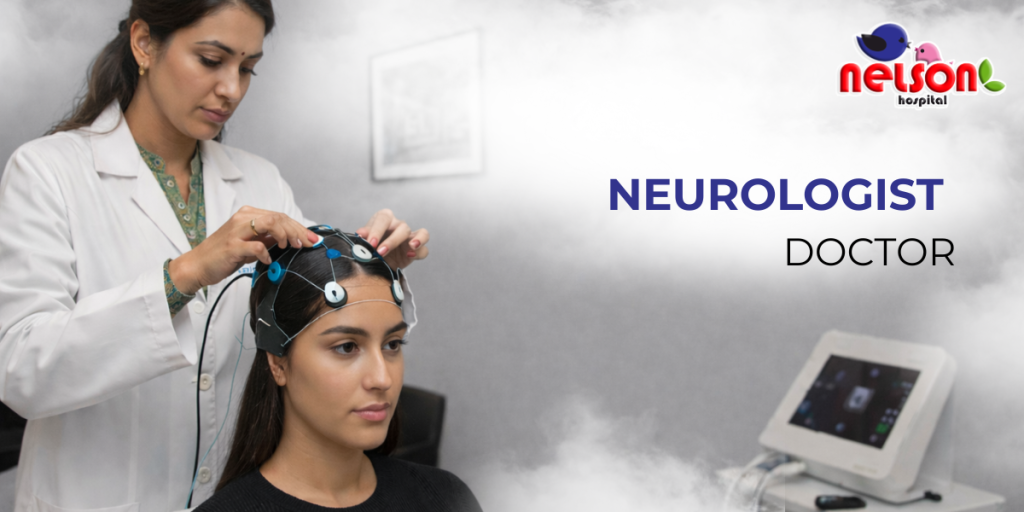
Neurologist Doctor
Problems related to the brain and nervous system can affect every aspect of daily life, from movement and memory to speech and emotions. When such issues arise, consulting a neurologist doctor becomes essential. Neurology is a specialized field of medicine focused on understanding and treating disorders of the brain, spinal cord, nerves, and muscles.
Many people hesitate before seeking neurological care, often assuming symptoms are temporary or stress-related. However, neurological conditions can be complex and progressive if left untreated. Early consultation with a specialist helps in accurate diagnosis and timely treatment, which can significantly improve long-term outcomes.
This blog explains the role of a neurological specialist, the conditions they manage, warning signs to watch for, and why timely care plays a crucial role in maintaining overall health.
Understanding the Role of a Neurologist Doctor
A neurology specialist is a medical expert who identifies and treats diseases of the nervous system, including problems involving the brain, spinal cord, nerves, and muscles. Their primary responsibility is to identify the underlying cause of symptoms and create a long-term management plan.
Unlike surgical specialists, neurological physicians focus on non-surgical treatments. These may involve medications, lifestyle changes, rehabilitation therapies, and regular monitoring. Their goal is not only symptom relief but also improving quality of life and preventing disease progression.
Extensive training allows these specialists to handle complex cases where symptoms may overlap across multiple conditions. Their expertise is critical in ensuring precise diagnosis and effective care.
Conditions Related to the Brain and Nervous System
Disorders of the nervous system range from mild to life-threatening. Some conditions develop suddenly, while others progress slowly over time. Neurological care addresses both acute and chronic conditions that affect physical and cognitive function.
Commonly treated problems include migraines, epilepsy, stroke, Parkinson’s disease, dementia, nerve pain, neuropathy, and movement disorders. Sleep-related issues, balance problems, tremors, and muscle weakness also fall under neurological care.
Many of these conditions share similar symptoms, which makes professional evaluation extremely important. Proper assessment ensures that treatment targets the real cause rather than just managing surface-level symptoms.
Warning Signs That Should Not Be Ignored
Neurological symptoms often appear subtle in the early stages. People may ignore them or attribute them to fatigue or stress. However, persistent or worsening signs deserve medical attention.
Symptoms such as frequent headaches, unexplained dizziness, memory problems, numbness, tingling, weakness, seizures, or changes in speech and vision should be taken seriously. Sudden symptoms like loss of balance or confusion require immediate medical care.
Seeking professional advice early can prevent complications. Timely evaluation helps in identifying potential neurological disorders before they progress to advanced stages.
Importance of Early Diagnosis in Neurological Conditions
Early diagnosis plays a major role in managing nervous system disorders effectively. Many neurological conditions respond better to treatment when identified in their initial stages. Delayed diagnosis can lead to irreversible damage and reduced treatment options.
Specialists use a combination of clinical examination and advanced diagnostic tools to understand the condition accurately. Imaging tests, nerve studies, and brain activity assessments help pinpoint the exact issue.
Accurate diagnosis allows for targeted treatment and better long-term planning. It also provides patients and families with clarity and confidence in managing the condition.
Managing Stroke and Emergency Neurological Conditions
Stroke is one of the most critical neurological emergencies and requires immediate medical intervention. Quick response can save lives and reduce permanent disability. Neurological specialists play a key role in identifying stroke type and initiating appropriate treatment.
After the emergency phase, ongoing care focuses on recovery and prevention. This includes medication management, rehabilitation planning, and lifestyle guidance to reduce future risk.
With proper follow-up and support, many patients are able to regain independence and improve daily functioning after a stroke.
Long-Term Care for Chronic Neurological Disorders
Several neurological disorders require long-term management rather than one-time treatment. Conditions such as epilepsy, Parkinson’s disease, multiple sclerosis, and Alzheimer’s disease often need continuous monitoring and adjustments in therapy.
Treatment plans are customized based on disease progression and patient response. Regular follow-ups help maintain symptom control and minimize side effects of medication.
Long-term care also involves educating patients and families about the condition. Understanding the disease helps in managing expectations and improving emotional well-being.
Diagnostic Tools Used in Neurological Evaluation
Diagnosing disorders of the nervous system requires precision. Specialists rely on detailed medical history, physical examination, and advanced diagnostic tests to reach accurate conclusions.
Common tools include MRI and CT scans to visualize the brain and spine, EEG tests to assess brain activity, and nerve conduction studies to evaluate nerve function. Blood tests may also be used to rule out related conditions.
These investigations help form a clear picture of the patient’s neurological health. Accurate testing ensures that treatment is based on evidence rather than assumptions.
Personalized Treatment and Rehabilitation Planning
Neurological treatment is highly individualized. No two patients experience the same symptoms or progression, even with the same diagnosis. Personalized care plans consider age, overall health, and lifestyle factors.
Treatment may involve medications, physiotherapy, speech therapy, occupational therapy, or psychological support. In many cases, coordination with other medical specialists ensures comprehensive care.
Continuous evaluation allows treatment plans to evolve with the patient’s condition. This flexible approach improves outcomes and enhances comfort during long-term care.
Neurological Care Across Different Age Groups
Nervous system disorders can affect individuals at any age. Children may experience developmental delays, seizures, or movement disorders that require early intervention. Timely care during childhood can significantly improve long-term development.
In older adults, neurological issues such as dementia, balance problems, and stroke are more common. Management focuses on preserving independence and improving daily functioning.
Age-specific care requires experience and sensitivity. Treatment approaches are adapted to meet the physical and emotional needs of each age group.
Choosing the Right Specialist for Neurological Care
Selecting the right medical professional is an important step in managing neurological health. Experience, communication, and trust are key factors in building an effective treatment relationship.
Patients should feel comfortable discussing symptoms and concerns openly. Clear explanations and transparent treatment plans help patients stay involved in their care.
Consistent follow-up and accessibility also matter. Long-term neurological management depends on continuity and a strong doctor–patient relationship.
Benefits of Timely Neurological Consultation
Seeking medical advice early often leads to better outcomes. Early intervention can slow disease progression, reduce complications, and improve quality of life.
Timely consultation also helps reduce anxiety by providing clarity and direction. Knowing the cause of symptoms allows patients to take informed steps toward recovery or management.
Proactive care empowers patients and families to make better health decisions and plan for the future.
Final Thoughts on Neurological Health
The nervous system controls nearly every function of the human body, making neurological health extremely important. Ignoring symptoms or delaying treatment can have serious consequences.
With proper diagnosis, personalized care, and consistent follow-up, many neurological conditions can be managed effectively. Medical expertise combined with patient awareness plays a key role in successful outcomes.
Investing in neurological health today helps ensure better physical, mental, and emotional well-being in the long run.
Book an Appointment