Home - Diagnostic and Therapeutic Endoscopic Procedures

Diagnostic and Therapeutic Endoscopic Procedures

Endoscopic procedures are minimally invasive techniques used for the diagnosis and treatment of internal organ conditions. At Nelson Hospital, our Endoscopy Unit offers cutting-edge technology, experienced specialists, and comprehensive care for gastrointestinal, respiratory, and abdominal conditions.

These procedures help in early detection, accurate diagnosis, and minimally invasive treatment, reducing patient discomfort and promoting faster recovery.

Call Us

9518951959

Contact Us

info@64.227.168.245

Address

Get Direction

Google Rating

4.5

Overview

Endoscopy involves inserting a thin, flexible tube with a camera and light source (endoscope) into the body to visualize internal organs. 

  • Diagnostic Endoscopy: Used to identify abnormalities such as ulcers, tumors, infections, and blockages. 
  • Therapeutic Endoscopy: Allows treatment during the procedure, including polyp removal, biopsy, stent placement, and minor surgical interventions. 

Common types include gastroscopy, colonoscopy, bronchoscopy, cystoscopy, and laparoscopic procedures. 

24/7 Medical care at NelsonEmergency
General Pediatrics & Neonatal Consultations

Nelson hospital provides various Diagnostic and Therapeutic Endoscopic Procedure services with proper care.

Upper GI Endoscopy for Diagnostic Evaluation
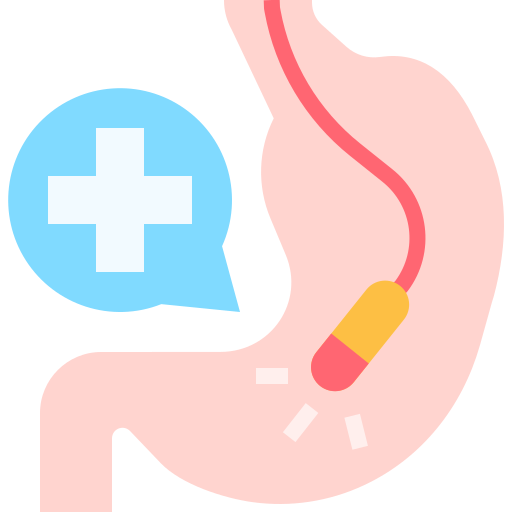
Upper GI Endoscopy is a procedure that uses a flexible tube with a camera to examine the esophagus, stomach, and upper part of the small intestine.

Colonoscopy for Large Intestine Disorders
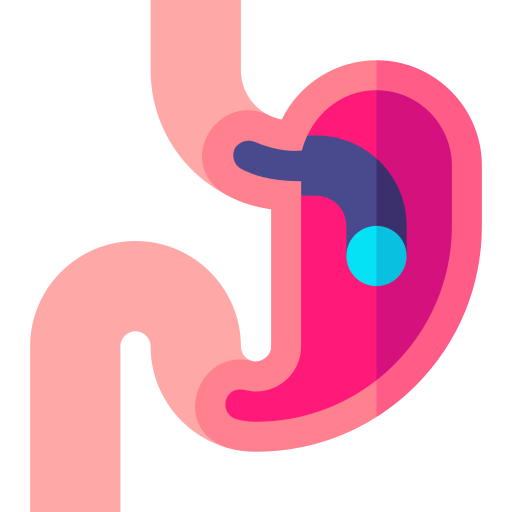
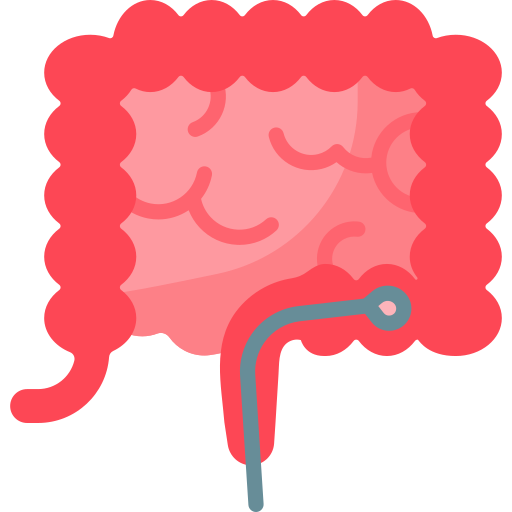
Colonoscopy is a diagnostic procedure that uses a flexible camera tube to examine the inner lining of the large intestine. It helps detect inflammation, ulcers, polyps, or cancerous growths in the colon and rectum.

Endoscopic Removal of Polyps & Foreign Bodies

Endoscopic Removal of Polyps & Foreign Bodies is a minimally invasive procedure to remove abnormal growths or swallowed objects from the digestive tract. It helps prevent complications and eliminates the need for major surgery.

Endoscopic Biopsy for Accurate Diagnosis

Endoscopic Biopsy involves collecting small tissue samples from the digestive tract during endoscopy. It helps in accurately diagnosing infections, inflammation, and cancers by examining the tissue under a microscope.

Capsule Endoscopy for Small Intestine Assessment
Capsule Endoscopy uses a small, swallowable camera capsule to capture images of the small intestine. It helps detect bleeding, inflammation, tumors, or other abnormalities that are hard to reach with traditional endoscopy.

Post-Procedural Monitoring & Counseling

Post-Procedural Monitoring & Counseling ensures patient safety and comfort after an endoscopic procedure. It includes observation, recovery guidance, and personalized advice for lifestyle or treatment follow-up.
24/7 Emergency
Medical Care Nelson

With access to 24 hour emergency assistance, It’s so important you can continue to help others.

Services Offered at Nelson Hospital’s Endoscopy Unit

Gastrointestinal Endoscopy

Upper GI Endoscopy (Gastroscopy): Examination of the esophagus, stomach, and duodenum Colonoscopy: Screening for colorectal cancer, polyps, and intestinal disorders Endoscopic Biopsies: Tissue sampling for diagnosis of infections, inflammation, or cancer Polypectomy: Removal of polyps to prevent malignancy

Bronchoscopy & Respiratory Endoscopy

Bronchoscopy: Visualization of airways, lungs, and trachea Diagnosis and treatment of lung infections, tumors, and airway obstructions Therapeutic interventions like mucus removal or stent placement

Laparoscopic & Abdominal Endoscopy

Minimally invasive abdominal surgeries Treatment of gallstones, appendicitis, and hernia repairs Diagnostic laparoscopy for unexplained abdominal pain or infertility evaluation

Urological Endoscopy

Cystoscopy: Examination of bladder and urethra Diagnosis and management of urinary tract stones, tumors, and infections Therapeutic procedures like stone removal or stent insertion

Pediatric Endoscopy

Specialized endoscopic care for children with gastrointestinal or respiratory disorders Safe, minimally invasive procedures to minimize discomfort and promote faster recovery

Benefits of Endoscopic Procedures

Advanced Technology at Nelson Hospital

Tips for Patients Undergoing Endoscopy

Follow pre-procedure fasting and medication guidelines

Arrange for post-procedure rest and transportation

Stay hydrated and follow dietary recommendations after the procedure

Monitor for warning signs like bleeding or severe pain

Attend scheduled follow-up appointments for optimal outcomes

Why Choose Nelson Hospital for Endoscopic Procedures?

Experienced team of endoscopists, surgeons, and anesthetists

Comprehensive diagnostic and therapeutic care under one roof

Personalized care plans, patient counseling, and follow-up support

Minimally invasive techniques for quicker recovery and patient comfort

24x7 emergency endoscopic services for acute conditions

Our Doctors

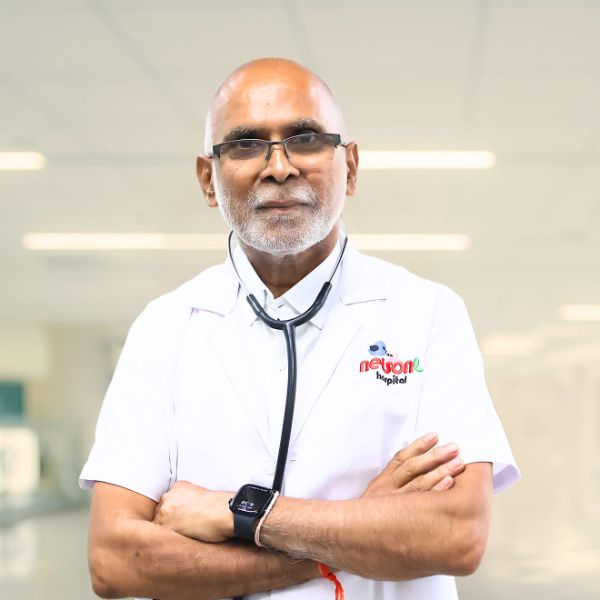
Dr. Satish Deopujari

MD. DCH, MNAMS

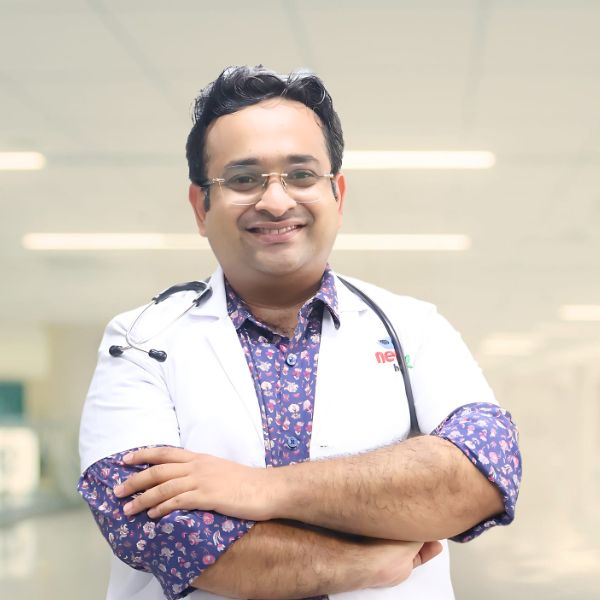
Dr. Suchita Khadse

MBBS, DCH, DNB

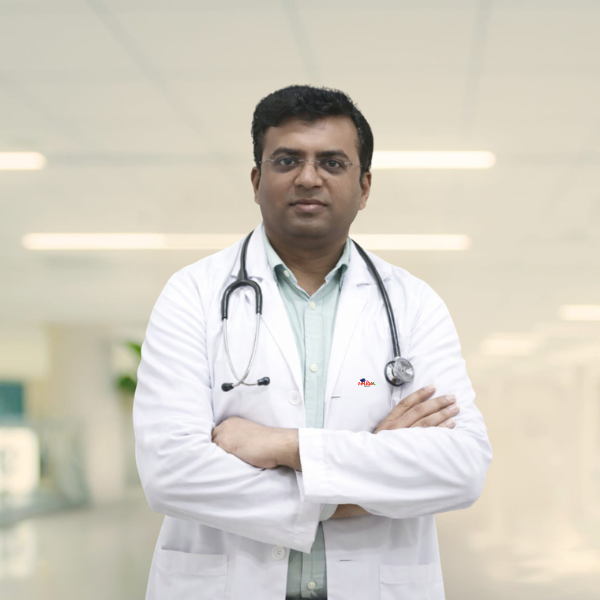
Dr. Sumit Sonipimpale

MBBS, DCH, DNB Consultant Paediatrician & Neonatologist

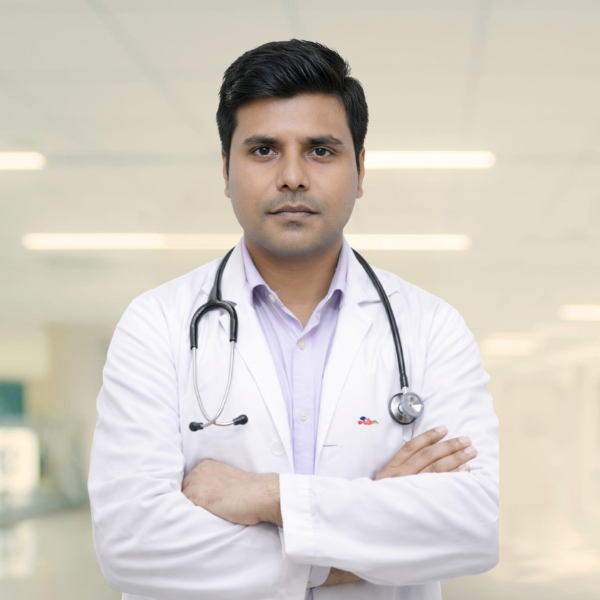
Dr. Yash Banait

MBBS, DCH(Australia), MD, Fellowship in Paediatric

Dr. Anupam Bahe

MBBS, MD Paediatrics, IDPCCM, DNB, ECMO

Dr. Rashi Gupta

MBBS, MD Paediatrics , DM Neonatology

Dr. Nikita Lalwani

MD(PAEDS), Fellowship in neonatology (NNF)

Dr Prashant Meshram

MBBS, MD

Dr. Akshata Gonade

Bachelor of Medicine, Bachelor of Surgery
MBBS Medicine

Dr. Amul Mahajan

MBBS

Dr. Sachin Guhane

MBBS, DCH

Frequently Asked Questions

What is the difference between diagnostic and therapeutic endoscopy?

Diagnostic endoscopy helps doctors visualize internal organs to detect abnormalities like ulcers, tumors, infections, or blockages. Therapeutic endoscopy goes a step further by allowing treatments during the same procedure, such as polyp removal, biopsies, or stent placement without major surgery.

Is endoscopy painful and how should I prepare for it?

Most endoscopic procedures are done under sedation or anesthesia, so patients usually feel minimal discomfort. Your doctor will give specific pre-procedure instructions like fasting for a few hours and stopping certain medications beforehand. Recovery is generally quick, but arranging someone to accompany you home is recommended.

Which conditions can be diagnosed using endoscopic procedures?

Endoscopic procedures help diagnose conditions such as acid reflux, ulcers, gastrointestinal bleeding, polyps, tumors, chronic abdominal pain, difficulty swallowing, and unexplained digestive symptoms. It allows doctors to view internal organs clearly and take biopsies if needed.

How long does an endoscopic procedure usually take?

Most diagnostic and therapeutic endoscopic procedures take 15 to 45 minutes, depending on the type of procedure and the condition being treated. Patients are usually observed for a short period afterward before being discharged.

Are endoscopic procedures safe?

Yes, endoscopic procedures are generally safe and minimally invasive when performed by experienced specialists. Complications are rare, and the procedures reduce the need for open surgery, leading to faster recovery and less discomfort.

How soon can I return to normal activities after an endoscopy?

Most patients can resume normal activities within 24 hours after the procedure. However, if sedation is used, doctors may advise resting for the remainder of the day and avoiding driving or heavy work until fully alert.

Book an Appointment

Ask for any Query by filling form