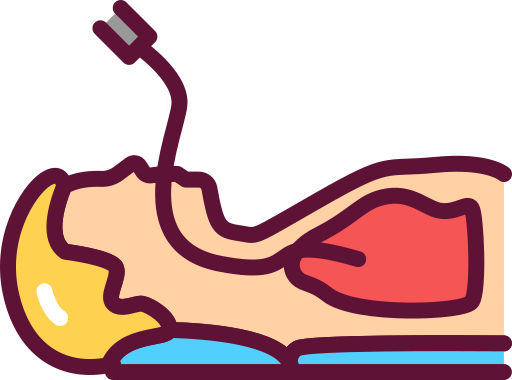
Bronchoscopy Unit
A Bronchoscopy unit is a specialized clinical center devoted to identifying and treating conditions of the respiratory tracts and lungs making use of a minimally invasive procedure called bronchoscopy. This advanced diagnostic tool allows doctors to directly visualize the inside of the respiratory tract — including the trachea, bronchi, and lungs — using a thin, adaptable tube geared up with a video camera and light.
9518951959
info@64.227.168.245
Get Direction
Click Here
4.5
Overview
The unit plays a crucial duty in lung medication, aiding medical professionals determine infections, tumours, clogs, bleeding resources, and other lung-related problems that cannot be discovered properly through basic imaging techniques like X-rays or CT scans.
Bronchoscopy is a clinical procedure that allows medical professionals to look inside the airways of the lungs. It includes putting a bronchoscope, a slim versatile tube with a video camera and light at the end, with the nose or mouth and down into the lungs.
This procedure assists in both diagnosis and therapy of respiratory system conditions. It supplies real-time visuals of the lungs and allows medical professionals to take cells examples (biopsies), eliminate mucous plugs, or clear foreign bodies.
Nelson hospital provides various Bronchoscopy Unit services with proper care.
Diagnostic Bronchoscopy for Lung & Airway Evaluation
Diagnostic Bronchoscopy for Lung & Airway Evaluation is a procedure that uses a flexible camera to examine the airways and lungs. It helps detect infections, tumors, blockages, or other respiratory conditions for accurate diagnosis and treatment planning.
Endobronchial Ultrasound (EBUS)–Guided Procedures
Endobronchial Ultrasound (EBUS)–Guided Procedures use a bronchoscope with ultrasound to visualize and sample lymph nodes or masses in the chest. This minimally invasive technique aids in accurate diagnosis of lung diseases, including cancer and infections.
Bronchoscopy for Tuberculosis & Lung Cancer Diagnosis

Bronchoscopy for Tuberculosis & Lung Cancer Diagnosis involves using a flexible camera to examine the airways and collect tissue or fluid samples. It helps confirm infections, detect tumors, and guide appropriate treatment.
Therapeutic Bronchoscopy for Mucus Plug or Tumor Clearance

Therapeutic Bronchoscopy for Mucus Plug or Tumor Clearance is a procedure that removes obstructions from the airways using specialized instruments. It restores normal breathing, relieves symptoms, and improves lung function.
Pediatric Bronchoscopy Services
Pediatric Bronchoscopy Services use a small, flexible camera to examine and treat airway issues in children. It helps diagnose conditions like infections, foreign bodies, or structural abnormalities safely and effectively.
Post-Procedure Observation & Follow-Up Care
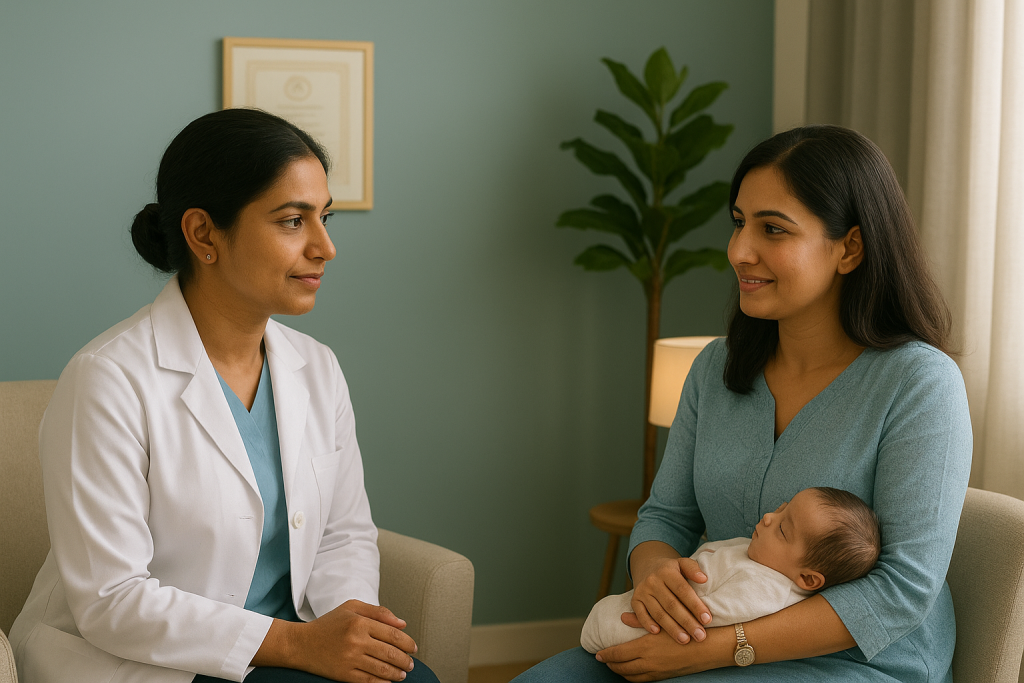
Post-Procedure Observation & Follow-Up Care involves monitoring patients after a medical procedure to ensure safety and detect any complications early. It also includes guidance on recovery, medication, and necessary lifestyle adjustments for optimal healing.
24/7 Emergency
Medical Care Nelson
With access to 24 hour emergency assistance, It’s so important you can continue to help others.
Services Offered at Our Bronchoscopy Unit
Diagnostic Bronchoscopy
Our Bronchoscopy Unit provides comprehensive diagnostic bronchoscopy services to help detect and evaluate lung and airway conditions. Using advanced flexible bronchoscopes.
Bronchoalveolar Lavage (BAL)
Bronchoalveolar Lavage is a diagnostic procedure where a sterile saline solution is introduced into a small section of the lung and then recollected for laboratory testing.
Endobronchial Ultrasound (EBUS)
The Endobronchial Ultrasound (EBUS) technique combines bronchoscopy with ultrasound imaging to visualize structures around the airways, such as lymph nodes and tumours.
Pediatric and Geriatric Bronchoscopy Services
We offer age-specific bronchoscopy procedures for children and elderly patients. The procedures are performed with utmost care, using specialized scopes and sedation protocols suitable for each age group.
Post-Procedural Care and Monitoring
After every bronchoscopy, patients receive comprehensive post-procedure care, including observation, recovery assistance, and guidance for home care. Our staff ensures you are comfortable, informed, and supported throughout your recovery journey.
Patient Education and Counseling
At Nelson Hospital’s Bronchoscopy Unit, we believe that patient education is key to better health outcomes. Our specialists take time to explain the procedure, results, and preventive measures in simple terms.
Benefits of Treatment at Bronchoscopy Unit
- Accurate Diagnosis of Lung and Airway Diseases
- Minimally Invasive and Safe Procedure
- Relief from Airway Blockages and Breathing Problems
- Advanced Technology for Safer Procedures
- Personalized and Compassionate Care
- Short Recovery and Quick Return to Normal Life
Conditions Treated in the Bronchoscopy Unit
Chronic Cough and Wheezing
Bronchoscopy allows doctors to look inside the airways to detect causes such as: Mucus plugs or secretions, Inflammation or narrowing (bronchial stenosis),Tumours or foreign bodies, Allergic or asthmatic changes
Lung Cancer and Tumours
Bronchoscopy plays a key role in the diagnosis, staging, and management of lung cancer.
Hemoptysis (Coughing Up Blood)
Coughing up blood is often a sign of airway or lung pathology such as infection, tumour, or trauma.
Persistent Breathing Difficulty
For patients with unexplained shortness of breath or poor response to medications, bronchoscopy helps identify airway blockages, inflammation
Unexplained Chest X-ray or CT Scan Abnormalities
When imaging tests show abnormalities like shadows, nodules, or fluid buildup in the lungs, bronchoscopy helps visualize the cause directly.
Interstitial Lung Disease (ILD)
Interstitial Lung Disease refers to a group of disorders that cause scarring (fibrosis) of lung tissue, making it difficult to breathe.
Why Nelson Hospital is a Trusted Bronchoscopy Unit
Expert Pulmonologists and Skilled Medical Team
Advanced Bronchoscopy Technology
Comprehensive Diagnostic and Therapeutic Services
Personalized treatment plans for every child and newborn
Commitment to Excellence and Ethics
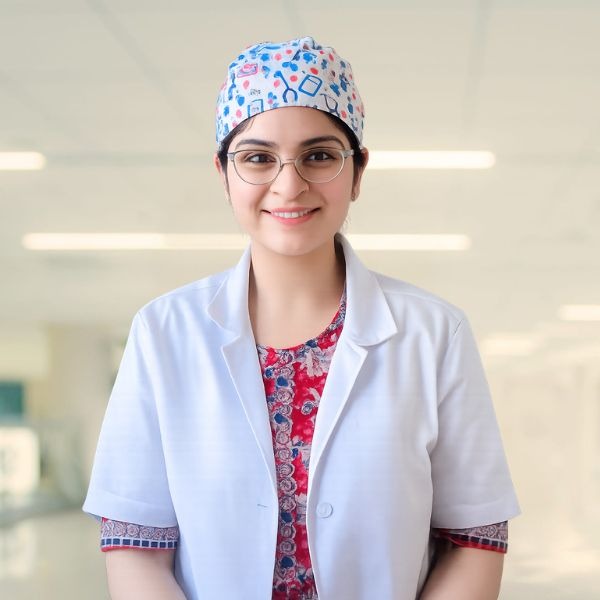
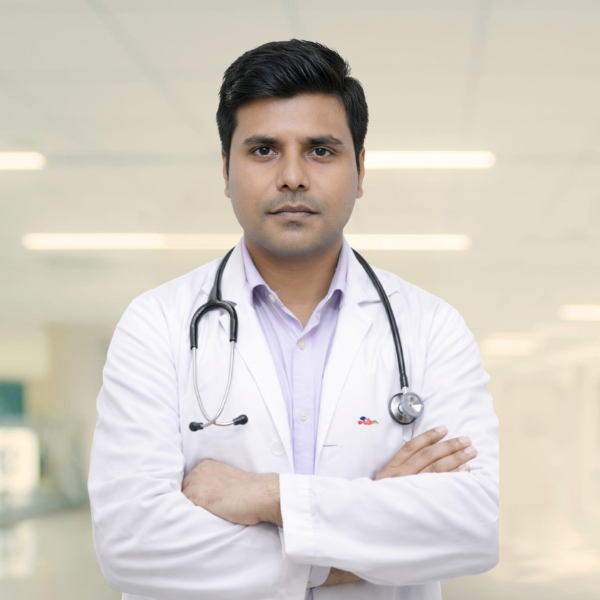
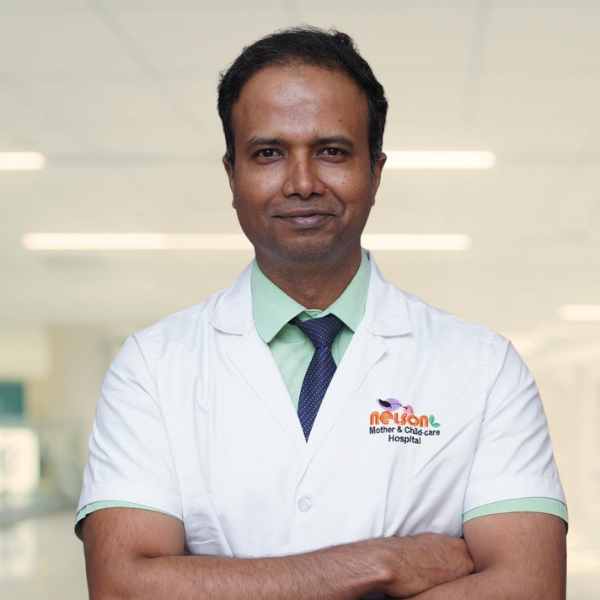
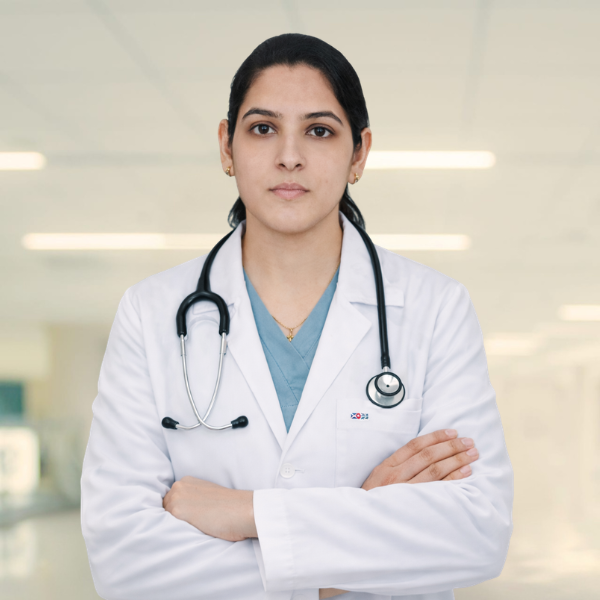
Our Doctors
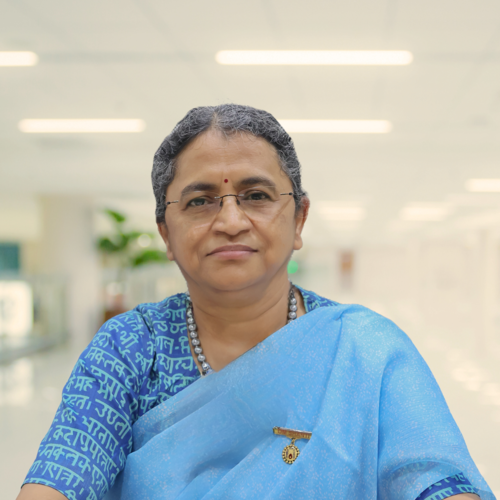
Dr. Satish Deopujari
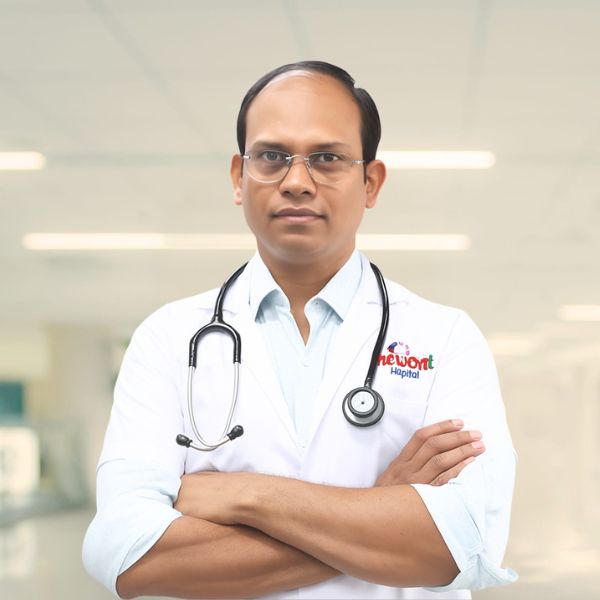
Dr. Suchita Khadse
MBBS, DCH, DNB
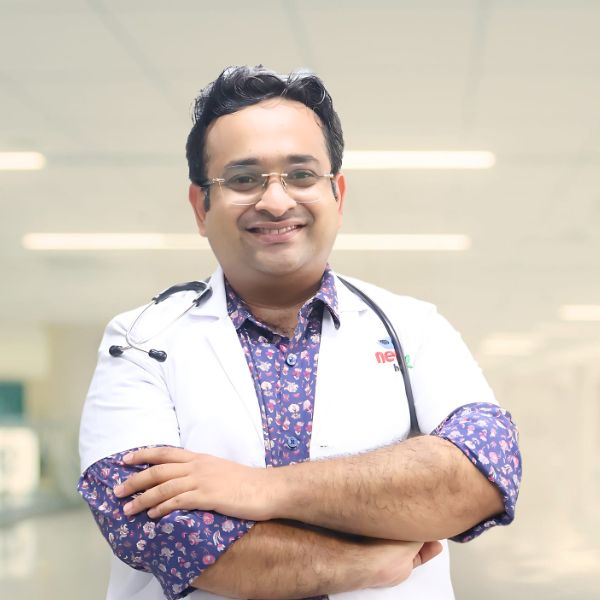
Dr. Sumit Sonipimpale
MBBS, DCH, DNB Consultant Paediatrician & Neonatologist
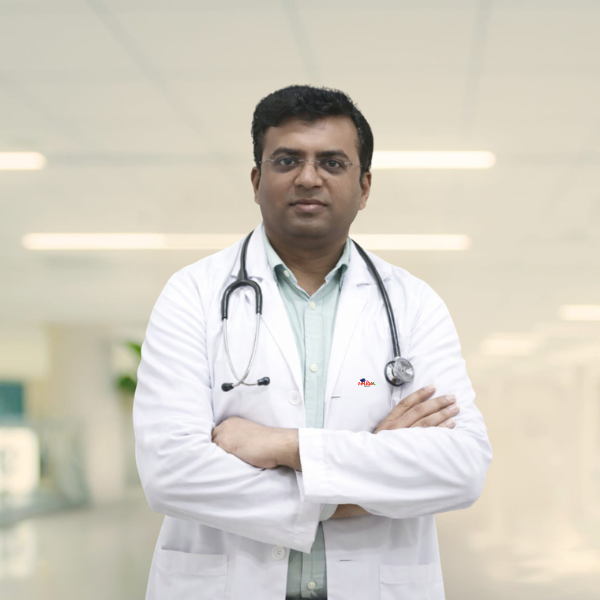
Dr. Yash Banait
MBBS, DCH(Australia), MD, Fellowship in Paediatric
Dr. Anupam Bahe
MBBS, MD Paediatrics, IDPCCM, DNB, ECMO
Dr. Rashi Gupta
MBBS, MD Paediatrics , DM Neonatology
Dr. Nikita Lalwani
MD(PAEDS), Fellowship in neonatology (NNF)
Dr Prashant Meshram
MBBS, MD
Dr. Akshata Gonade
Bachelor of Medicine, Bachelor of Surgery
MBBS Medicine
Dr. Amul Mahajan
MBBS
Dr. Sachin Guhane
MBBS, DCH
Frequently Asked Questions
What exactly is a bronchoscopy and why is it done?
A bronchoscopy is a minimally invasive diagnostic procedure that uses a thin, flexible tube with a camera and light (bronchoscope) to look inside the airways and lungs. It helps doctors detect infections, blockages, tumors, lung conditions, or other issues that may not appear clearly on X-rays or CT scans.
Is bronchoscopy safe, and what should I expect after the procedure?
Bronchoscopy is generally safe and guided by expert pulmonologists. After the procedure, patients may be observed for a short time to ensure there are no side effects. Your doctor will explain possible risks, care instructions, and how results can help plan further treatment.
Do I need to prepare before undergoing bronchoscopy?
Yes. Patients are usually advised to avoid eating or drinking for a few hours before the procedure. Your doctor will give clear instructions regarding medications, medical history, and any required tests to ensure the procedure is performed safely.
How long does a bronchoscopy procedure take?
A bronchoscopy typically takes 30 to 60 minutes, depending on the purpose of the examination. Including preparation and recovery time, patients may spend a few hours at the hospital on the same day.
Will bronchoscopy be painful?
Bronchoscopy is usually performed under local anesthesia or mild sedation, so discomfort is minimal. Most patients may feel slight throat irritation or coughing, which usually subsides within a short time after the procedure.
When will I receive the bronchoscopy results?
Preliminary findings may be shared soon after the procedure. If samples or biopsies are taken, detailed reports may take a few days. Your doctor will discuss the results and next steps during a follow-up consultation.
Book an Appointment