
Hysteroscopy
The Hysteroscopy Unit is a specialized facility for women requiring minimally invasive evaluation and treatment of uterine conditions. Using modern hysteroscopy techniques, Nelson Hospital provides accurate diagnosis, safe procedures, and rapid recovery for women experiencing abnormal bleeding, uterine polyps, fibroids, or infertility-related issues.
9518951959
info@64.227.168.245
Get Direction
Click Here
4.5
Overview
Hysteroscopy is a minimally invasive procedure where a thin, flexible camera (hysteroscope) is inserted through the vagina into the uterus to examine the uterine cavity. It allows direct visualization, diagnosis, and treatment of various uterine problems without major surgery.
Common Indications for Hysteroscopy:
- Abnormal uterine bleeding
- Detection and removal of uterine polyps and fibroids
- Intrauterine adhesions (Asherman’s syndrome)
- Investigation of infertility or recurrent miscarriages
- Removal of retained products of conception
Nelson hospital provides various Hysteroscopy services with proper care.
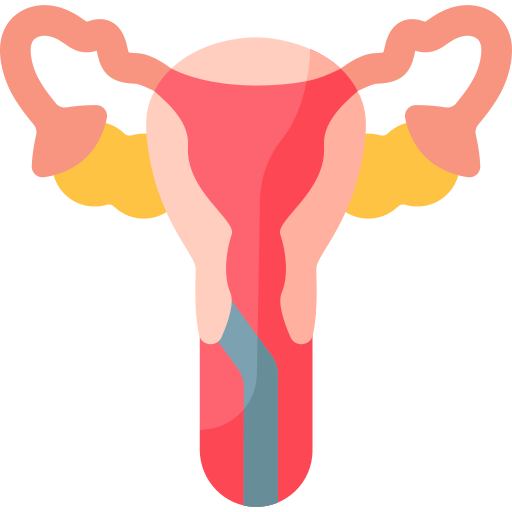
Diagnostic Hysteroscopy for Uterine Evaluation
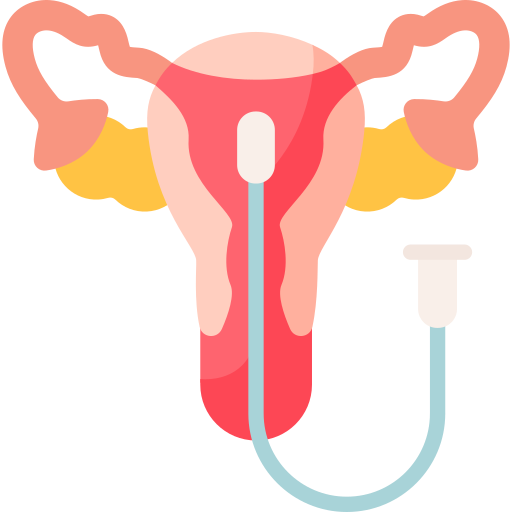
Diagnostic hysteroscopy is a procedure to look inside the uterus for abnormalities.
Uterine Septum & Congenital Anomalies

It means treating uterine birth defects (like septum) to improve fertility and pregnancy outcomes.
Treatment of Intrauterine Adhesions
Treatment of intrauterine adhesions is hysteroscopic removal of scar tissue with prevention of recurrence.
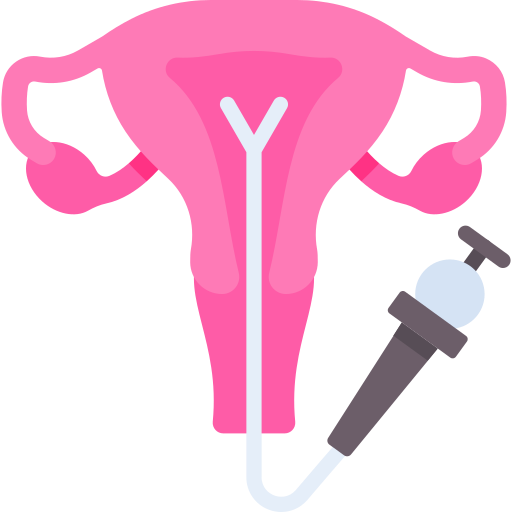
Hysteroscopic Endometrial Biopsy
A hysteroscopic endometrial biopsy is a procedure to view the uterus and take a lining sample using a hysteroscope.
Retrieval of Lost Intrauterine Devices

Retrieval of lost IUD” is the medical removal of an intrauterine device that has moved, become embedded, or whose strings are not visible.
Post-Procedure Counseling & Follow-Up Care

Post-procedure counseling and follow-up care is guidance and monitoring after a procedure to ensure recovery and manage complications.
24/7 Emergency
Medical Care Nelson
With access to 24 hour emergency assistance, It’s so important you can continue to help others.
Procedures Offered at the Hysteroscopy Unit
Diagnostic Hysteroscopy
Detailed evaluation of uterine cavity and endometrium Identifies abnormalities such as polyps, fibroids, septum, and adhesions Helps in planning treatment for infertility or abnormal bleeding
Operative Hysteroscopy
Removal of uterine polyps and fibroids Treatment of adhesions or septum correction Can be performed under local or general anesthesia Ensures minimal trauma and faster recovery
Infertility-Related Hysteroscop
Helps identify uterine causes of infertility Corrects structural abnormalities to improve conception chances Safe for women planning future pregnancy
Post-Miscarriage or Postpartum Procedures
Removal of retained products of conception Treatment of adhesions formed after miscarriage or childbirth Promotes uterine health and fertility preservation
Benefits of Treatment at Hysteroscopy Unit
- Early and accurate diagnosis of uterine conditions
- Minimally invasive procedures reduce pain and recovery time
- Effective treatment of infertility-related uterine issues
- Short hospital stay or outpatient procedure
- Reduced risk of complications and better reproductive outcomes
Preparing for Hysteroscopy
- Consultation with gynecologist to review history and tests
- Routine blood tests and ultrasound
- Instructions regarding fasting, medications, and lifestyle before procedure
- Counseling on procedure, anesthesia, and recovery
Post-Procedure Care and Recovery
Short observation period after procedure
Follow-up for assessment of uterine health and fertility
Pain management and wound care instructions
Guidance on contraception, pregnancy planning, and general reproductive health
Resume daily activities gradually
Emotional support and counseling to help cope with post-procedure feelings.
Why Choose Nelson Hospital’s Hysteroscopy Unit?
Expert gynecologists and endoscopic surgeons
Advanced hysteroscopic equipment and imaging
Personalized care and post-procedure follow-up
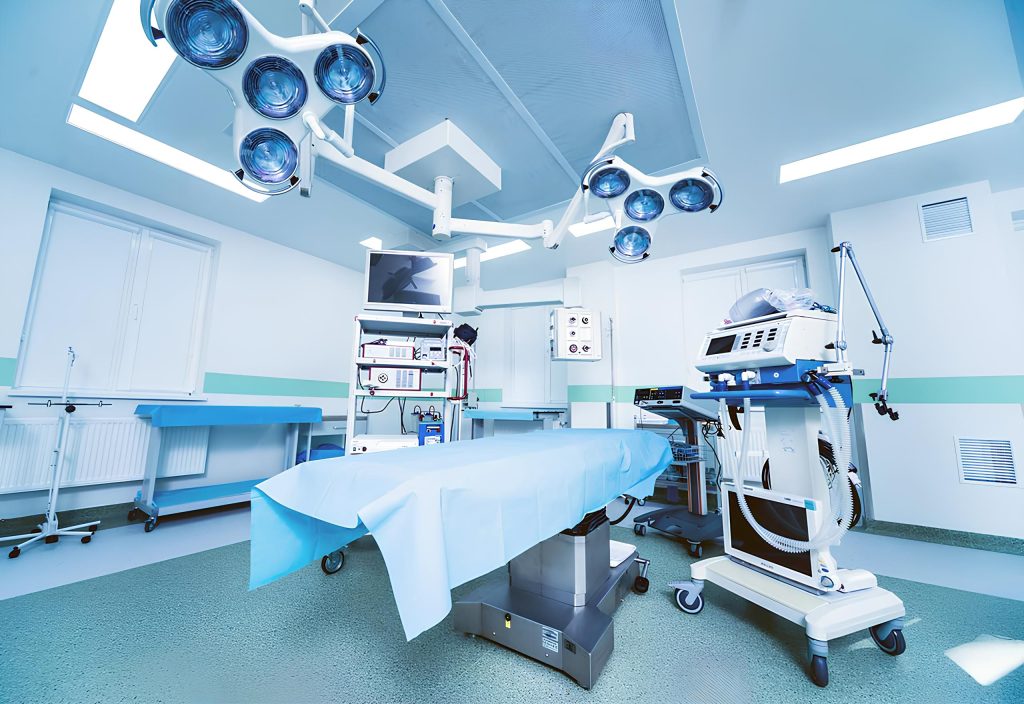
Safe and sterile environment with anesthesia support
Focus on women’s comfort, privacy, and safety
Our Doctors
Dr. Sindhu Bhute
Dr. Anupama Bhute
Dr. Shraddha Thakur
Dr. Prajakta Barde
Dr. Aditi Gulane
Dr. Kunda Shahane
Dr. Sadhna Deshmukh
Dr. Ruxana Dalal Master
Dr. Bindu Marar
Dr. Tushar S. Zanjade
Dr. Rohan Master
Dr.Kala Sabu
Dr. Anuradha Ridhorkar
Frequently Asked Questions
What is hysteroscopy?
Hysteroscopy is a minimally invasive procedure where a thin, flexible camera (hysteroscope) is inserted through the vagina into the uterus to examine the uterine cavity for diagnosis and treatment without major surgery.
Why is hysteroscopy done?
It is used to evaluate and treat causes of abnormal uterine bleeding, remove uterine polyps or fibroids, diagnose and treat intrauterine adhesions, and investigate infertility or recurrent miscarriages.
Is hysteroscopy a safe procedure?
Yes, hysteroscopy is a safe, effective, and minimally invasive procedure when performed by experienced gynecologists. It usually has a short recovery time and low risk of complications.
What can be treated during hysteroscopy?
During hysteroscopy, doctors can remove uterine polyps and fibroids, cut adhesions, correct uterine septum, and take biopsies if needed.
Do I need anesthesia for hysteroscopy?
Depending on the case, hysteroscopy can be done with local, regional, or general anesthesia. Minor diagnostic procedures may sometimes be done with minimal or no anesthesia.
How is recovery after hysteroscopy?
Most patients recover quickly, often resuming normal activities within a short time. Some mild cramps or light bleeding may occur, and your doctor will give you specific post-procedure care instructions.
Book an Appointment