Home - Laparoscopic Surgery

Laparoscopic Surgery

Laparoscopic Surgery, also known as keyhole surgery or minimally invasive surgery, is a modern surgical technique that uses small incisions and a laparoscope (tiny camera) to treat various conditions. This approach ensures less pain, faster recovery, minimal scarring, and shorter hospital stay compared to traditional open surgeries.

At Nelson Hospital, our expert laparoscopic surgeons combine advanced technology and precision care to deliver safe and effective surgical outcomes.

Call Us

9518951959

Contact Us

info@64.227.168.245

Address

Get Direction

Google Rating

4.5

Overview

Laparoscopic Surgery is a specialized procedure where: 

  • Small cuts (usually 0.5–1 cm) are made instead of large incisions. 
  • A laparoscope (thin tube with a camera) is inserted to provide a clear, magnified view of internal organs. 
  • Specialized instruments are used to perform the surgery safely. 

This method is widely used in gynecology, urology, gastroenterology, and general surgery for its patient-friendly benefits. 

24/7 Medical care at NelsonEmergency
General Pediatrics & Neonatal Consultations

Nelson hospital provides various Laparoscopic Surgery services with proper care.

Minimally Invasive Gallbladder Surgery
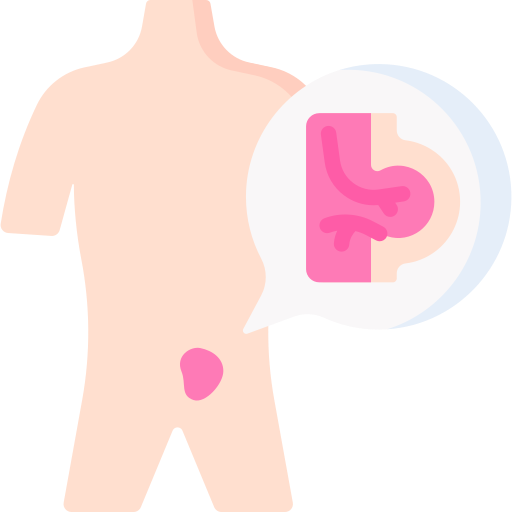
Minimally Invasive Gallbladder (Cholecystectomy) Surgery removes the gallbladder using small incisions and specialized instruments. This approach reduces pain, speeds up recovery, and minimizes scarring compared to traditional open surgery.

Hernia Repair

Hernia Repair (Inguinal, Umbilical, Ventral) is a surgical procedure to correct openings or weaknesses in the abdominal wall. It restores normal anatomy, relieves discomfort, and prevents complications like obstruction or strangulation.

Laparoscopic Management of Intestinal Disorders

Laparoscopic Management of Intestinal Disorders uses small incisions and a camera to diagnose and treat conditions like blockages, tumors, or inflammatory bowel disease. This minimally invasive approach reduces recovery time, pain, and surgical risks.

Surgery for Gastroesophageal Reflux Disease

Surgery for Gastroesophageal Reflux Disease (GERD) strengthens the lower esophageal sphincter to prevent acid reflux into the esophagus. It helps relieve chronic heartburn, prevent esophageal damage, and improve quality of life when medications are insufficient.

Bariatric & Weight Reduction Surgeries

Bariatric & Weight Reduction Surgeries are procedures designed to help individuals achieve significant and sustained weight loss. They work by restricting food intake or altering digestion, improving obesity-related health conditions like diabetes and hypertension.

Diagnostic Laparoscopy for Abdominal Conditions
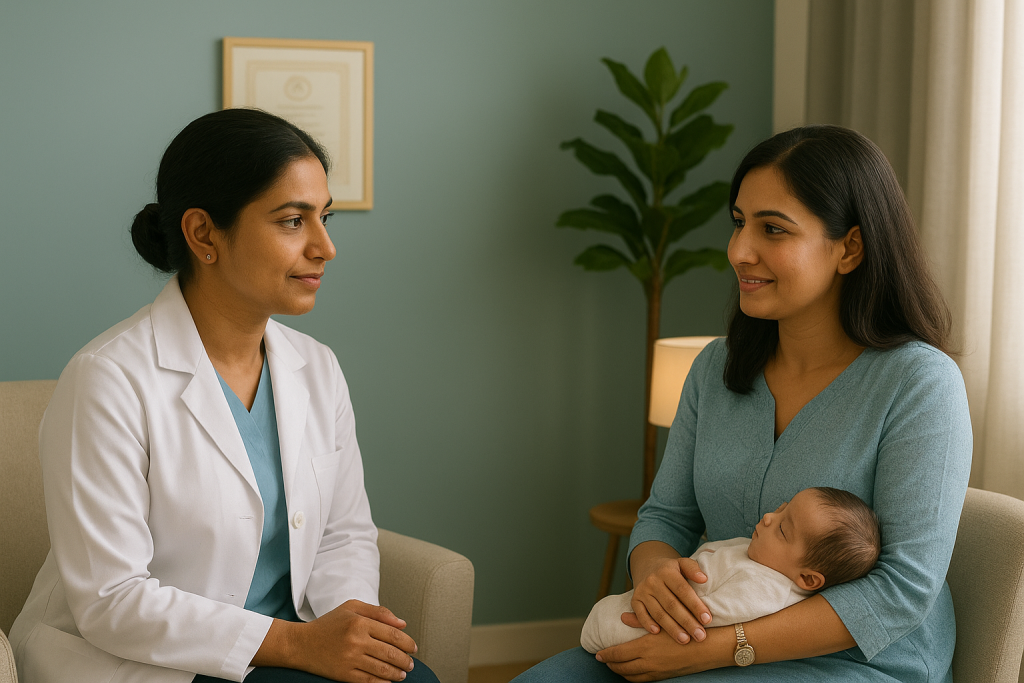
Diagnostic Laparoscopy for Abdominal Conditions is a minimally invasive procedure that uses a camera to examine the abdominal organs. It helps identify causes of pain, swelling, or unexplained symptoms and guides further treatment.
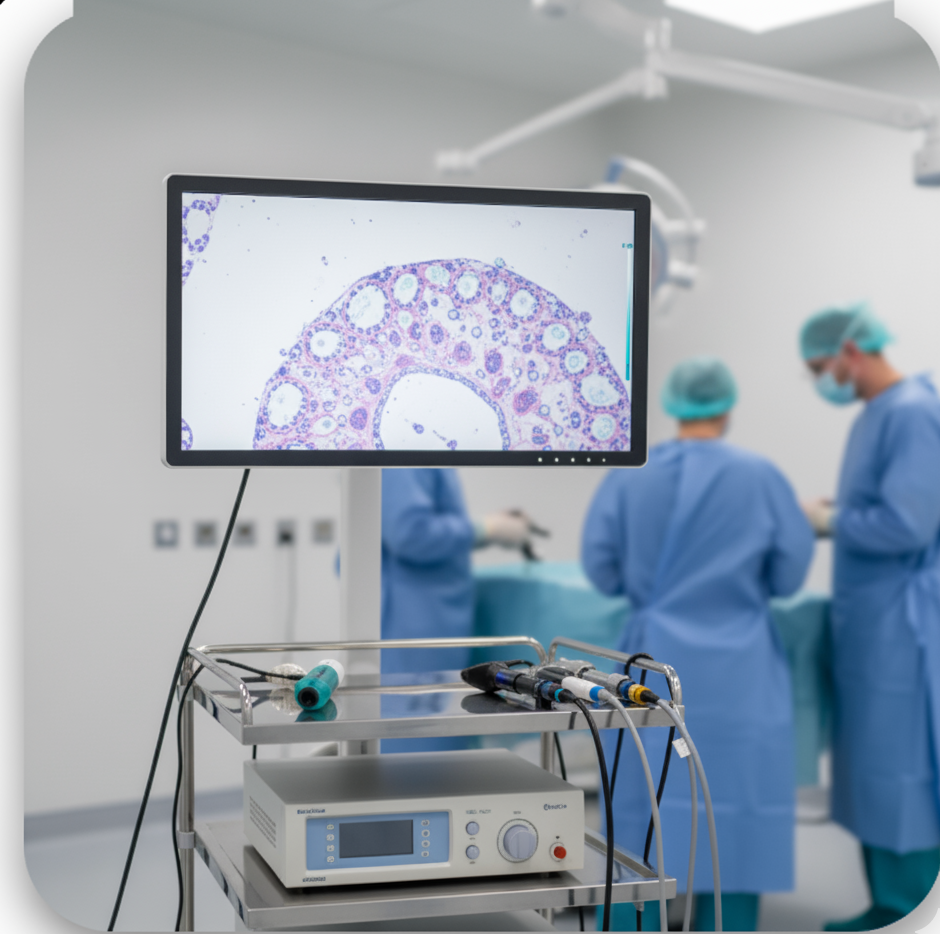
24/7 Emergency
Medical Care Nelson

With access to 24 hour emergency assistance, It’s so important you can continue to help others.

Services Offered at Our Laparoscopic Surgery Unit

Diagnostic Laparoscopy

For evaluation of unexplained abdominal or pelvic pain Helps in infertility assessment and internal organ examination

Therapeutic Surgeries

Removal of diseased organs (appendix, gallbladder, uterus) Repair of hernias and bowel surgeries

Emergency Laparoscopic Surgeries

Ruptured appendix Internal bleeding Complicated hernias

Advanced Laparoscopic Procedures

Bariatric Surgery for obesity Cancer surgeries with minimally invasive approach

Patient Journey at Nelson Hospital

We ensure a smooth process for every patient:

1.Pre-Surgery Evaluation

  • Detailed consultation, imaging, and lab tests 
  • Counseling about surgery procedure & recovery 

2.During Surgery

  • Performed under general anesthesia 
  • Small incisions, minimal discomfort 

3.Post-Surgery Recovery

  • Early mobilization within hours 
  • Short hospital stay (1–2 days for most cases) 
  • Regular follow-up and wound care 

Benefits of Choosing Minimally Invasive Surgery at Nelson Hospital

Conditions Treated with Laparoscopic Surgery

At Nelson Hospital, our Laparoscopic Surgery Unit offers treatment for a wide range of conditions:

Gynecological Surgeries

Gastrointestinal Surgeries

Urological Surgeries

Other Surgeries

Advanced Technology at Nelson Hospital

Tips for Patients Undergoing Laparoscopic Surgery

Follow pre-operative fasting & medication instructions

Arrange post-surgery rest at home for a few days

Maintain wound hygiene to avoid infection

Resume light activity as advised by the doctor

Attend follow-up visits for faster recovery

Why Choose Nelson Hospital for Laparoscopic Surgery?

Team of experienced laparoscopic surgeons & anesthetists

Minimally invasive approach for faster recovery

State-of-the-art operation theatres

Comprehensive pre- & post-operative support

Patient-centric care with counseling and education

24x7 emergency surgical care

Our Doctors

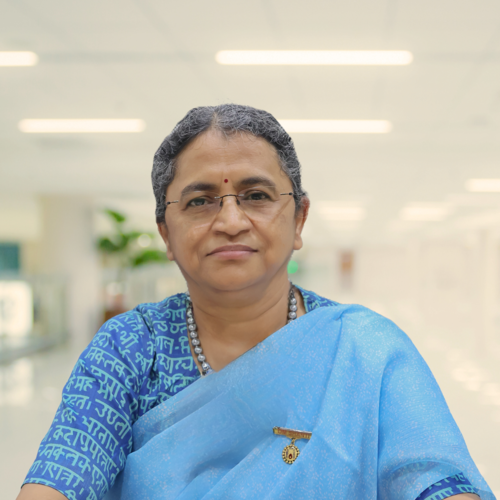
Dr. Satish Deopujari

MD. DCH, MNAMS

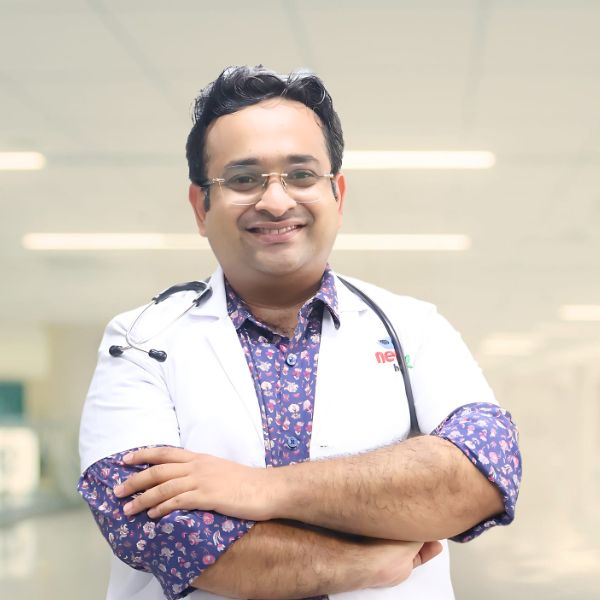
Dr. Suchita Khadse

MBBS, DCH, DNB

Dr. Sumit Sonipimpale

MBBS, DCH, DNB Consultant Paediatrician & Neonatologist

Dr. Yash Banait

MBBS, DCH(Australia), MD, Fellowship in Paediatric

Dr. Anupam Bahe

MBBS, MD Paediatrics, IDPCCM, DNB, ECMO

Dr. Rashi Gupta

MBBS, MD Paediatrics , DM Neonatology

Dr. Nikita Lalwani

MD(PAEDS), Fellowship in neonatology (NNF)

Dr Prashant Meshram

MBBS, MD

Dr. Akshata Gonade

Bachelor of Medicine, Bachelor of Surgery
MBBS Medicine

Dr. Amul Mahajan

MBBS

Dr. Sachin Guhane

MBBS, DCH

Frequently Asked Questions

What is laparoscopic (keyhole) surgery and how is it different from open surgery?

Laparoscopic surgery is a minimally invasive procedure where surgeons make a few small incisions and use a camera (laparoscope) to perform surgery, resulting in smaller scars, less pain, and faster recovery compared to traditional open surgery.

Which conditions or procedures can be treated with laparoscopic surgery at Nelson Hospital?

At Nelson Hospital, laparoscopic techniques are used for a wide range of surgeries including gallbladder removal, hernia repairs, appendectomies, and other abdominal procedures tailored to your specific condition.

Is laparoscopic surgery safe and suitable for everyone?

Laparoscopic surgery is generally very safe and often preferred due to minimal incisions and quicker healing. The suitability depends on your individual health, type of condition, and the surgeon’s evaluation — they’ll recommend the best approach for your case.

What should I do to prepare for laparoscopic surgery?

Before surgery, your doctor will advise you to fast for several hours, share your full medical history including medicines you take, and might request some tests. Arranging someone to drive you home post-surgery is also recommended.

What can I expect during recovery after laparoscopic surgery?

Most patients experience less pain and faster recovery than with open surgery. You may feel some bloating or mild discomfort initially, but many return to normal activities within a few days to a week depending on the procedure.

Are there any risks or complications associated with laparoscopic surgery?

Like any surgery, there are small risks such as bleeding, infection, or injury to surrounding organs, but overall laparoscopic surgery has low complication rates when done by experienced surgeons. If needed, the surgeon may sometimes convert to open surgery during the procedure.

Book an Appointment

Ask for any Query by filling form