
Home - Neuro Electrophysiology

Neuro Electrophysiology

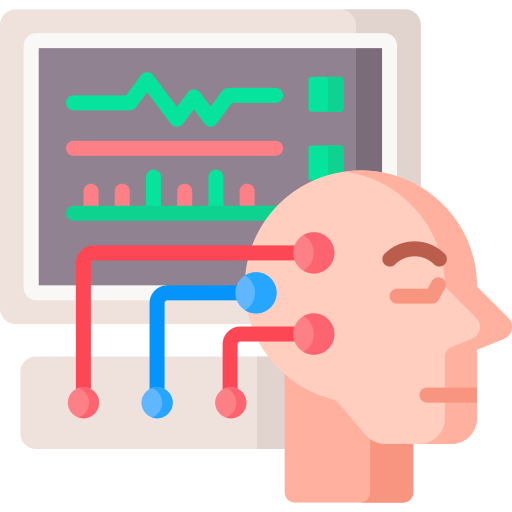
Neuro Electrophysiology is the medical specialty that studies and evaluates the electrical activity of the nervous system, including the brain, spinal cord, and peripheral nerves. It uses techniques like EEG, EMG, and nerve conduction studies to detect, diagnose, and monitor neurological disorders. This field helps doctors understand nerve function, identify abnormalities, guide treatment plans, and track recovery, ensuring accurate assessment of the nervous system’s health and performance.

Call Us

9518951959

Contact Us

info@64.227.168.245

Address

Get Direction

Google Rating

4.5

Overview

Neuro Electrophysiology is a branch of medicine that focuses on studying and measuring the electrical activity of the nervous system, including the brain, spinal cord, and peripheral nerves. It uses diagnostic techniques like EEG (electroencephalography), EMG (electromyography), and nerve conduction studies to detect and monitor neurological disorders such as epilepsy, neuropathies, muscular disorders, and sleep problems. Neuro electrophysiologists work closely with neurologists and neurosurgeons to accurately diagnose conditions, guide treatments, and monitor recovery, helping patients maintain or improve their nervous system function and overall quality of life.

24/7 Medical care at NelsonEmergency
Paediatric Neurosciences

Nelson Hospital provides various Neuro Electrophysiology services with proper care.

Electroencephalography
A non-invasive test to record brain electrical activity for diagnosing epilepsy and seizure disorders.

Nerve Conduction Study

Evaluation of nerve function to detect neuropathies, nerve injuries, or muscle disorders.

Electromyography

Assessment of muscle and nerve interaction to identify neuromuscular conditions.

Evoked Potential Studies

Tests that measure electrical responses to stimuli, useful for evaluating vision, hearing, and sensory pathways.

Intraoperative Neuro Monitoring

Continuous monitoring of nerve and brain function during surgery to prevent neurological complications.

Autonomic Function Testing

Examination of heart rate, blood pressure, and sweating responses to assess autonomic nervous system health.

24/7 Emergency
Medical Care Nelson

With access to 24 hour emergency assistance, It’s so important you can continue to help others.

Services Offered at Our Neuro Electrophysiology Clinic

Symptom Management

Testing and evaluation for nerve and muscle disorders like tingling, weakness, and numbness.

Advanced Diagnostics

EEG and EMG to diagnose epilepsy, neuropathy, and muscle diseases.

Monitoring & Follow-Up

Ongoing tracking of brain and nerve signals for treatment and recovery.

Emotional Support

Counselling and guidance for patients coping with neurological conditions.

Health & Lifestyle Advice

Tips for managing symptoms, staying active, and maintaining neurological health.

Benefits of Visiting Nelson Hospital’s Neuro Electrophysiology Clinic

Tips for Neuro Electrophysiology Patients

Communicate clearly with healthcare providers about any nerve or muscle symptoms

Schedule all recommended nerve and brain tests as advised

Manage stress with relaxation and calming techniques

Stay physically active as permitted by the care team

Maintain a healthy, balanced diet for nerve health

Prioritize good sleep habits for better nerve and brain function

Our Doctors

Dr. Milind Deogaokar

MBBS MS (surgery) MCH neurosurgery (Cleveland, USA)

Dr. Sanjay Ramteke

MBBS, MD, DM (Neurology)

Dr. Rahul Zamad

Consultant Neuro Surgeon

Dr. Amarjeet Wagh

MBBS, DNB (Ped), Fellow in Neurology

Dr. Parag Maheshkar

MBBS,MD,DM,Neurologist

Frequently Asked Questions

What is neuro electrophysiology and why is it important?

Neuro electrophysiology is a specialty that evaluates the electrical activity of the nervous system using tests like EEG, EMG, and nerve conduction studies. It helps diagnose and monitor neurological conditions by measuring nerve and brain function.

What tests are included in neuro electrophysiology services?

Common tests include electroencephalography (EEG) to record brain activity, nerve conduction studies (NCS) to assess nerve signals, electromyography (EMG) for muscle-nerve interaction, and evoked potentials.

How should I prepare for electrophysiology tests?

Usually minimal preparation is needed. Avoid caffeine before EEG, wear comfortable clothes, and follow specific instructions given by the clinic. Always inform the doctor about current medications.

Are electrophysiology tests painful or risky?

Most tests like EEG and nerve conduction are non-invasive and painless. EMG may cause slight discomfort when needles are used, but risks are low and managed by trained specialists.

How long do electrophysiology test results take?

Results timing varies by test and complexity. Some readings can be interpreted immediately, while others may need detailed analysis by specialists before reporting.

Can electrophysiology help monitor treatment progress?

Yes — by comparing follow-up recordings (like EEG or NCS) over time, doctors can track how treatment is working and adjust plans accordingly.

Book an Appointment

Ask for any Query by filling form