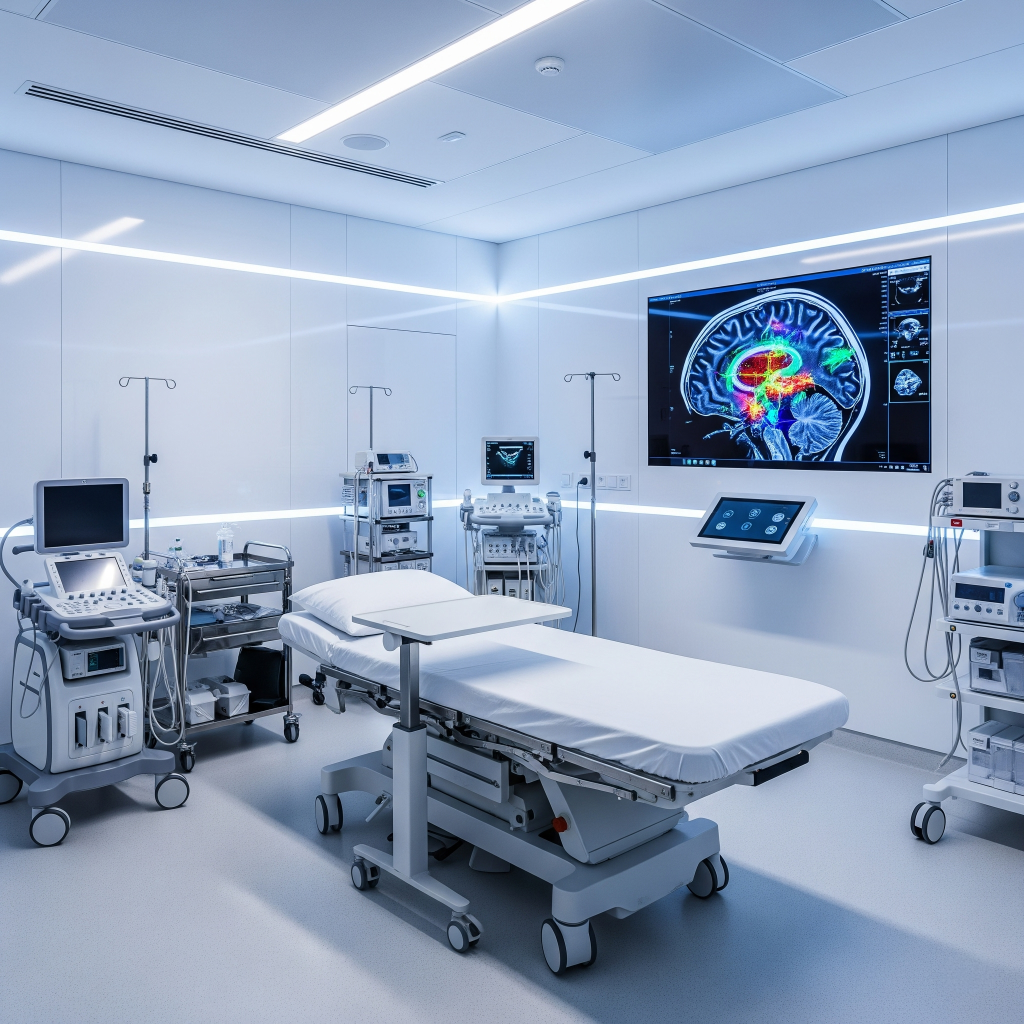
Neuro Endovascular Therapy is a specialized medical treatment that focuses on treating brain and spinal blood vessel disorders using minimally invasive techniques. Instead of open surgery, doctors insert catheters, wires, and tiny devices through blood vessels to reach affected areas. This therapy is commonly used for conditions like brain aneurysms, strokes, and arteriovenous malformations, helping restore normal blood flow, prevent bleeding, and reduce surgical risks. It offers faster recovery and precise treatment for complex neurological vascular problems.
Neuro Endovascular Therapy is an advanced, minimally invasive medical specialty that focuses on the diagnosis and treatment of blood vessel disorders in the brain and spinal cord. Unlike traditional open surgery, this therapy uses thin catheters, guidewires, and microdevices inserted through small blood vessels to access affected areas. It is commonly used to treat conditions such as brain aneurysms, strokes, arteriovenous malformations (AVMs), and vascular malformations.
The procedure allows for precise treatment, reduces surgical risks, minimizes trauma, and often leads to faster recovery times. Neuro endovascular specialists work closely with neurologists and neurosurgeons to create personalized treatment plans, combining imaging techniques, advanced technology, and expert care to restore normal blood flow, prevent hemorrhage, and preserve neurological function. This therapy has become a critical option for patients with complex cerebrovascular conditions, offering safer, effective, and targeted interventions
Nelson hospital provides various Neuro Endovascular Therapy services with proper care.
Treatment for Brain & Spine Disorders
Minimally Invasive Treatment for Brain & Spine Vascular Disorders uses advanced catheter-based techniques to treat aneurysms, AVMs, and other vascular issues without open surgery.
Carotid & Intracranial Angioplasty
Epilepsy is a brain condition that causes repeated seizures. Seizure disorders are problems where sudden bursts of abnormal brain activity lead to shaking, staring spells, or loss of awareness.
Diagnostic Cerebral
Diagnostic Cerebral & Spinal Angiography is an imaging technique that visualizes blood vessels in the brain and spine using contrast dye and X-rays.
Dural Sinus Thrombosis
Management of Dural Sinus Thrombosis involves using medications like anticoagulants to dissolve clots and restore normal blood flow in the brain’s venous sinuses.
Pre-Surgical Tumor Embolization
Pre-Surgical Tumor Embolization is a minimally invasive procedure that blocks the blood supply to a tumor before surgery.
24×7 Stroke & Neurointervention Emergency Care
24×7 Stroke & Neurointervention Emergency Care provides round-the-clock specialized treatment for stroke and neurological emergencies.
24/7 Emergency Medical Care Nelson
With access to 24-hour emergency assistance, patients can receive immediate medical care whenever needed.
What is Neuro Endovascular Therapy and how does it work?
Neuro Endovascular Therapy is a minimally invasive technique that treats brain and spinal blood vessel disorders by guiding tiny catheters and devices through blood vessels to the affected area, avoiding open surgery.
Which conditions can be treated with endovascular therapy?
This therapy is commonly used for conditions like cerebral aneurysms, stroke due to blocked vessels, arteriovenous malformations (AVMs), and other vascular abnormalities.
Is endovascular therapy safer than traditional open surgery?
Yes, since it avoids large incisions and directly accesses the blood vessels, it often results in lower surgical risk, reduced trauma, and quicker recovery compared with traditional open surgery.
What should I expect after an endovascular procedure?
Most patients recover faster than after open surgery, but follow-up imaging and check-ups are important. Your doctor will guide you on activity, medication, and monitoring based on your condition.
Are there any risks or side effects?
Like any procedure, risks can include bleeding at the access site, reaction to contrast dye, or vessel injury. However, the specialised team minimises risks with imaging guidance and expert care.
How do I prepare for a Neuro Endovascular Therapy appointment?
Your care team may ask you to share prior imaging reports (like CT/MRI), a list of medications, and any allergies. They will also explain the procedure and answer questions before treatment.