
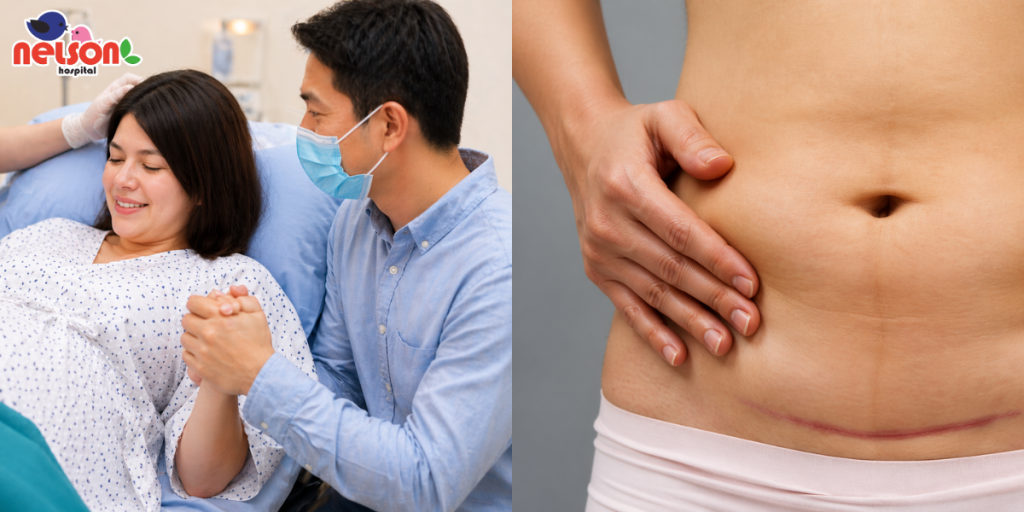
Pregnancy brings significant physical and emotional changes in a woman’s life. As the due date approaches, one of the most important decisions is how the baby will be delivered. The two primary methods are normal delivery (vaginal birth) and C-section (cesarean delivery).
In some cases, even with a healthy pregnancy, a C-section may be required for the safety of the mother or baby. Understanding both delivery methods helps reduce fear, clear confusion, and mentally prepare for childbirth.
What is Normal Delivery?
Normal delivery, also known as vaginal birth, is the natural process in which the baby is delivered through the birth canal without surgical intervention.
Labor usually begins with contractions that gradually become stronger and more frequent. These contractions help the cervix open and allow the baby to move downward for birth. The duration and intensity of labor vary from woman to woman.
Although normal delivery involves labor pain and discomfort, it is generally considered safer when there are no complications. One of its biggest advantages is faster recovery. Most women can walk within a few hours after delivery and resume daily activities sooner compared to surgical delivery.
What is a C-section Delivery?
A C-section (cesarean section) is a surgical procedure in which the baby is delivered through an incision made in the mother’s abdomen and uterus.
This method is recommended when normal delivery may pose risks. A C-section can be planned in advance or performed as an emergency during labor.
Doctors may suggest a C-section in situations such as:
- Baby in an abnormal position (breech or transverse)
- Multiple pregnancies (twins or more
- Medical conditions like high blood pressure
- Complications such as placenta previa
- Previous C-section delivery
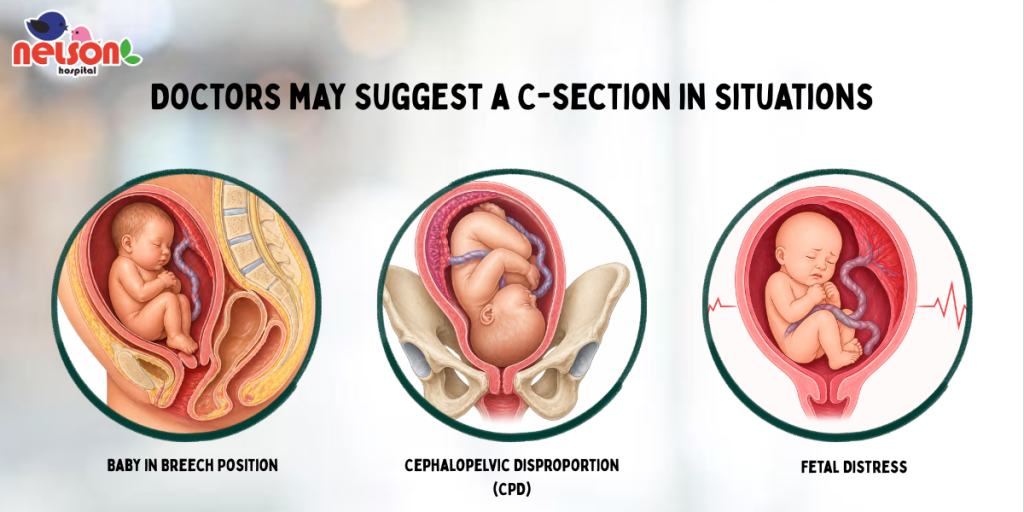
Doctors may suggest a C-section in situations such as:
The experience of both delivery methods is very different.
In normal delivery, the mother experiences labor pain before the baby is born. These contractions are a natural part of the process and indicate that the body is preparing for childbirth. Once the baby is delivered, the pain gradually reduces, and recovery begins quickly.
In a C-section, the mother does not feel pain during the procedure because anesthesia is used. However, after the surgery, pain and discomfort may occur around the incision area. This post-surgical pain can last for several days or even weeks.
Recovery and Healing Process
Recovery is one of the key differences between the two methods.
After a normal delivery, recovery is usually quick. Most women can start walking within hours and return to routine activities within a few days. Although there may be some soreness or minor tears, the body heals naturally.
In contrast, recovery after a C-section takes more time because it involves healing from surgery. The incision requires proper care, and physical activities need to be limited for several weeks. Even simple movements like sitting, standing, or lifting objects may feel difficult initially.
Because of this, mothers who undergo a C-section may need additional support in caring for their newborn during the initial recovery period.
Risks and Complications
Normal delivery generally involves fewer risks when the pregnancy is healthy. However, it may include challenges such as prolonged labor or minor tearing.
C-section delivery carries higher risks because it is a surgical procedure. These risks may include:
- Infection
- Increased blood loss
- Reaction to anesthesia
- Complications in future pregnancies
It may also result in a longer hospital stay and extended recovery time. However, in many situations, a C-section is the safest and most necessary option.
Impact on the Baby
The method of delivery can also influence the baby’s initial health.
Babies born through normal delivery benefit from natural processes that help clear fluid from their lungs, which supports better breathing at birth.
In C-section deliveries, especially planned ones before labor begins, babies may sometimes experience mild breathing difficulties. However, with modern medical care, these issues are usually temporary and well-managed.
Overall, both delivery methods are safe, and the baby’s health depends more on proper medical care than the delivery method itself.

Emotional and Mental Aspects of Childbirth
Childbirth is not just a physical process—it is also deeply emotional.
Many women feel a sense of achievement and immediate bonding after a normal delivery due to quicker recovery and early contact with the baby.
In the case of a C-section, especially if unplanned, some mothers may feel emotional stress or disappointment. The longer recovery period can also affect mental well-being. However, with proper support from family and healthcare providers, mothers can have a positive and fulfilling experience regardless of the delivery method.
Which Delivery Method is Better?
There is no universally “better” method between C-section and normal delivery. The right choice depends on individual medical conditions, pregnancy complications, and the baby’s health.Doctors generally recommend normal delivery because it is natural and involves fewer risks. However, when complications arise, a C-section becomes the safest option.The primary goal is always the safety and well-being of both the mother and the baby.
Delivery Preparation Tips
Preparing for childbirth can make the experience smoother and less stressful:
- Maintain a balanced and nutritious diet
- Stay physically active as advised by your doctor
- Attend regular prenatal check-ups
- Learn about both delivery methods
Conclusion
Both C-section and normal delivery are important methods of childbirth. While normal delivery is often preferred due to faster recovery and fewer risks, a C-section is a crucial medical procedure that ensures safety in complicated situations.
Instead of focusing on which method is better, it is more important to trust your doctor and choose what is safest for you and your baby. Every pregnancy is unique, and the ultimate goal is a healthy mother and a healthy baby.
Book an Appointment