Pregnancy is a beautiful and fulfilling journey during which a woman’s body undergoes several physical and hormonal changes. One of the most important aspects of this phase is maintaining healthy weight gain during pregnancy. Many expecting mothers feel concerned about how much weight they should gain and how it may affect their baby. At a specialized mother and child care hospital, prenatal care focuses on balanced nutrition and proper weight management.
How Weight Gain Happens in Pregnancy
Pregnancy weight gain is not just about body fat. It includes several important components that support the baby’s growth and development:
Baby’s weight
Placenta weight
Amniotic fluid
Increased blood volume
Breast tissue growth
Fat storage for breastfeeding
Weight gain usually happens gradually and steadily across all three trimesters.
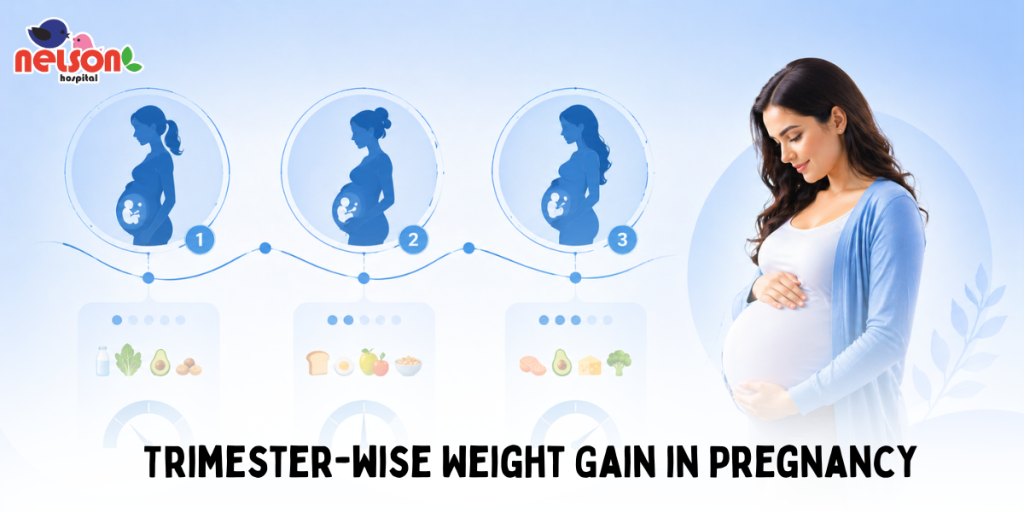
Trimester-wise Weight Gain in Pregnancy
First Trimester
Weight gain during the first trimester is usually minimal. Due to nausea and vomiting (morning sickness), some women may even lose weight.
Expected Weight Gain: 1–2 kg
Second Trimester
This is the stage where weight gain becomes more noticeable as the baby grows rapidly.
Expected Weight Gain: 4–5 kg
Third Trimester
In the final stage, weight gain continues steadily as the baby gains most of its weight.
Expected Weight Gain: 5–6 kg
Tips for Healthy Pregnancy Weight Gain
1. Follow a Healthy Pregnancy Diet
A balanced diet is essential for proper weight gain.
Include:
Proteins: dal, eggs, paneer
Whole grains: roti, brown rice
Fresh fruits and vegetables
Healthy fats: nuts and seeds
2. Eat Small and Frequent Meals
Instead of large meals, eat 5–6 smaller meals throughout the day. This helps improve digestion and supports steady weight gain.
3. Stay Hydrated
Drinking enough water is important to maintain amniotic fluid levels and overall health.
4. Choose Healthy Snacks
Healthy snacks can help maintain energy levels and support weight gain.
Examples:
Dry fruits
Yogurt
Smoothies
Peanut butter sandwiches
5. Avoid Junk and Processed Foods
While cravings are normal, excessive intake of processed foods can lead to unhealthy weight gain and complications.
6. Regular Prenatal Checkups
Regular visits to a mother and child care hospital help monitor weight gain and ensure a healthy pregnancy.
Light Exercise and Physical Activity
Doctor-approved activities such as walking and prenatal yoga help maintain a healthy balance and improve overall well-being.
Recommended Weight Gain Based on BMI
Recommended Weight Gain Based on BMI
Underweight: 12–18 kg
Normal weight: 11–16 kg
Overweight: 7–11 kg
Obese: 5–9 kg
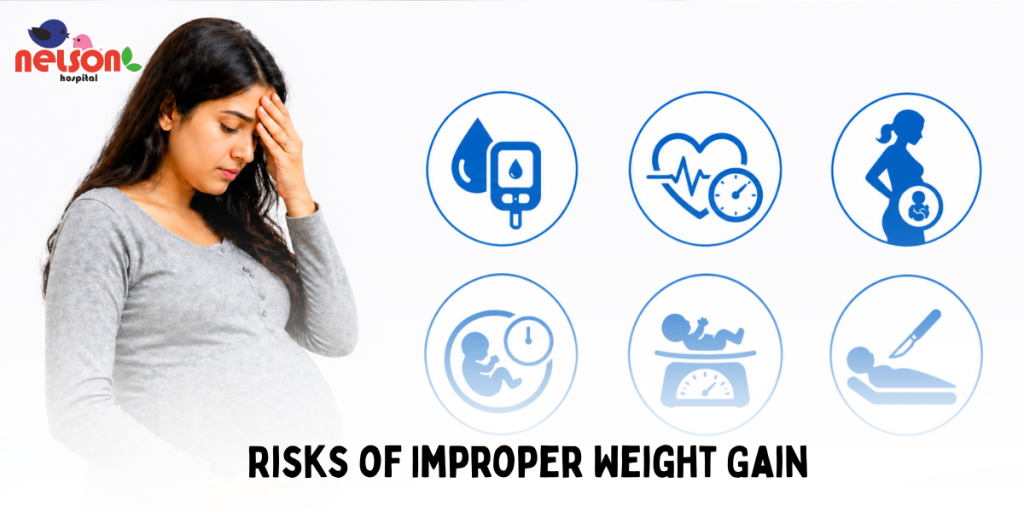
Risks of Improper Weight Gain
If You Gain Too Little Weight
Low birth weight baby
Premature delivery
Weakness and nutritional deficiency
If You Gain Too Much Weight
Gestational diabetes
High blood pressure
Delivery complications
Importance of Expert Care
At a specialized mother and child care hospital, experienced doctors monitor your diet, weight gain, and overall health throughout pregnancy. Personalized guidance ensures the safety of both mother and baby.
Conclusion
Healthy weight gain is a natural and essential part of pregnancy. Every pregnancy is different, so avoid comparisons and focus on your own health. Always follow medical advice to ensure the best outcomes for both mother and baby.