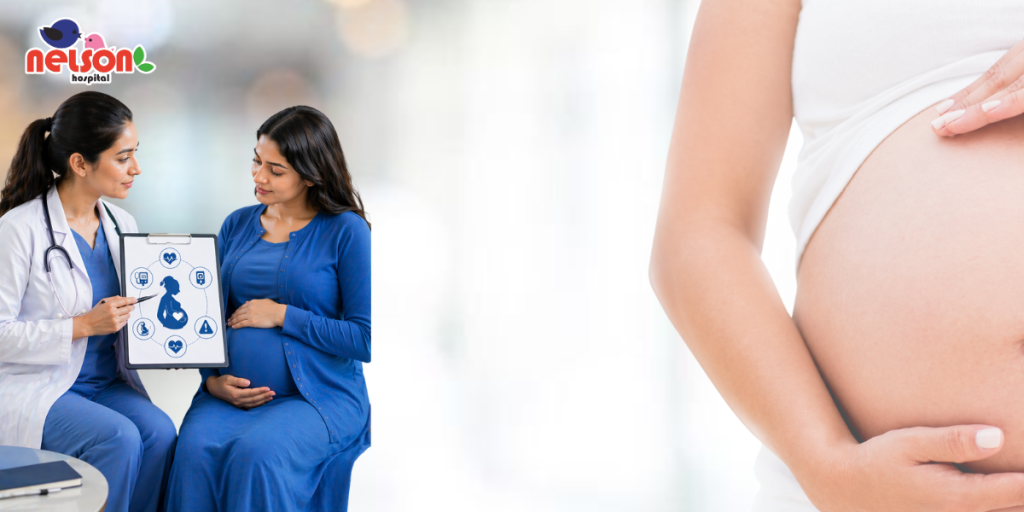
Most pregnancies are natural and healthy. However, in some situations, extra medical attention is required due to certain health conditions or complications that can increase risks for both the mother and the baby.
A high-risk pregnancy may sound concerning, but with proper care, medical guidance, and timely monitoring, many women go on to have safe and healthy deliveries.
What is High-Risk Pregnancy?
High-risk pregnancy refers to a condition where the mother, baby, or both have a higher chance of developing health complications before, during, or after delivery.
This does not mean that complications will definitely occur. It simply indicates the need for closer monitoring, specialized care, and medical supervision to ensure a safe pregnancy.
Causes of High-Risk Pregnancy
Several factors can contribute to a high-risk pregnancy, including:
- Advanced maternal age (below 17 or above 35)
- Pre-existing health conditions such as diabetes or high blood pressure
- Multiple pregnancies (twins or more)
- History of pregnancy complications or miscarriages
- Lifestyle factors such as smoking or poor nutrition
Medical conditions like Gestational Diabetes and Preeclampsia are also common contributors.
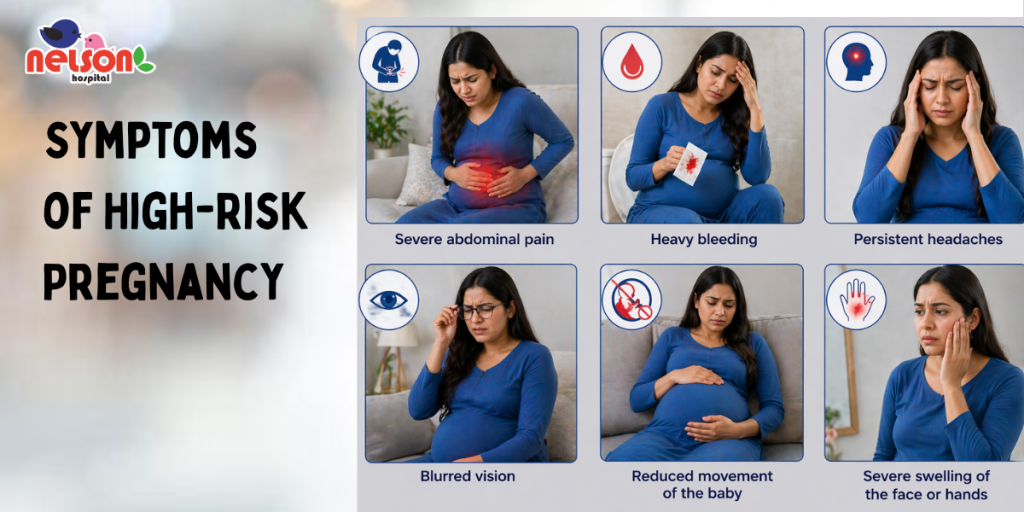
Symptoms of High-Risk Pregnancy
It is important to recognize warning signs early. Some symptoms that require immediate attention include:
- Severe abdominal pain
- Heavy bleeding
- Persistent headaches
- Blurred vision
- Reduced movement of the baby
- Severe swelling of the face or hands
If you experience any of these symptoms, consult your doctor immediately.
Risk Factors to Be Aware Of
Certain conditions increase the likelihood of a high-risk pregnancy:
- First pregnancy or multiple pregnancy
- Previous miscarriage or preterm birth
- Chronic illnesses or infections
- Existing medical conditions
If these factors are present, closer monitoring is essential to avoid complications.
Possible Complications
If not properly managed, a high-risk pregnancy can lead to:
- Preterm labor
- Low birth weight
- Pregnancy loss
- Complications during delivery
- Health risks for the mother
Early diagnosis and proper care can significantly reduce these risks.
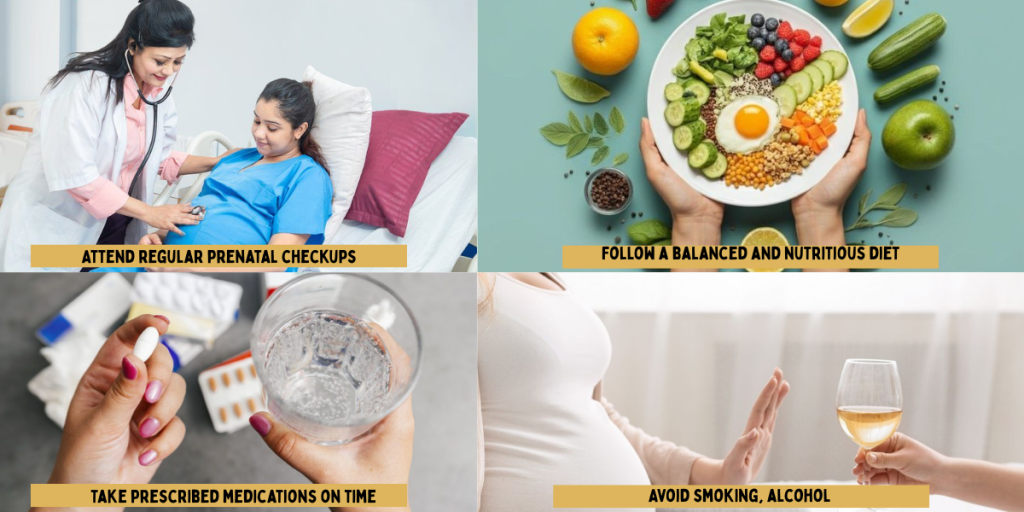
Care and Management Tips
Managing a high-risk pregnancy requires a proactive approach:
- Attend regular prenatal checkups
- Follow a balanced and nutritious diet
- Take prescribed medications on time
- Get adequate rest and avoid stress
- Avoid smoking, alcohol, and harmful substances
Following medical advice is crucial for maintaining a healthy pregnancy.
Emotional and Mental Well-being
A high-risk pregnancy can be emotionally challenging and may cause stress or anxiety. Staying informed and having a strong support system can help manage these feelings.Talking to your doctor, family members, or a mental health professional can help you stay positive and confident.
Conclusion
A high-risk pregnancy requires extra care and attention, but it does not necessarily lead to complications. With proper medical support, lifestyle adjustments, and regular monitoring, many women have safe and healthy pregnancies.
Book an Appointment