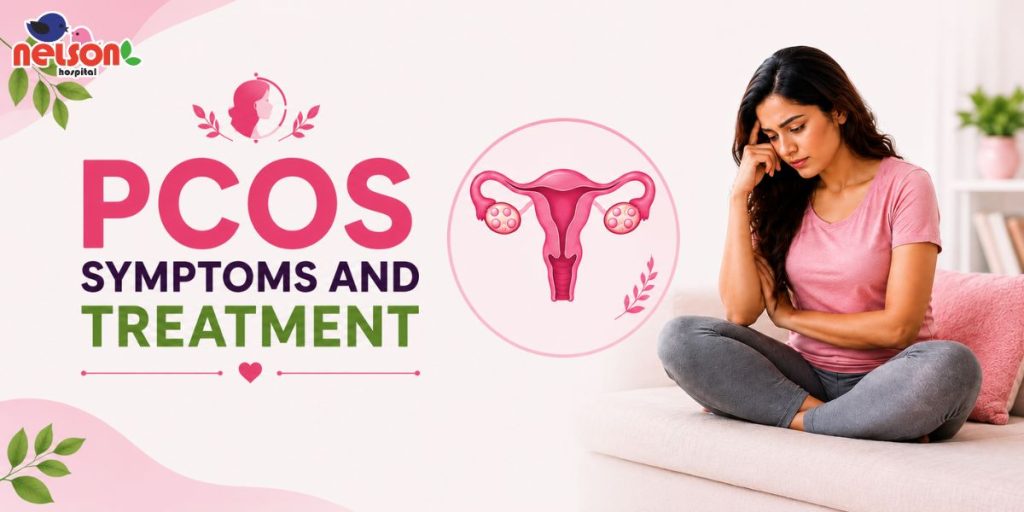
Polycystic Ovary Syndrome (PCOS) is one of the most common hormonal disorders affecting women during their reproductive years. Despite being widespread, many women remain unaware of the condition until symptoms begin to affect their daily lives, fertility, or overall health. Understanding PCOS symptoms and treatment is essential for early diagnosis and effective management.
At Nelson Hospital, our specialists help women identify and manage PCOS through personalized care and advanced treatment options. This guide explains everything you need to know about PCOS, including its symptoms, causes, diagnosis, and treatment methods.
What is Polycystic Ovary Syndrome (PCOS)?
Polycystic Ovary Syndrome is a hormonal condition that affects the ovaries and reproductive system. Women with PCOS often experience an imbalance in reproductive hormones, which can disrupt ovulation and lead to various health complications.
Although the exact cause of PCOS remains unclear, experts believe that genetics, insulin resistance, and hormonal imbalances play a significant role in its development.
Common PCOS Symptoms Every Woman Should Know
Recognizing the early signs of PCOS can help prevent long-term complications. Symptoms may vary from one woman to another, but some common indicators include:
Irregular Periods and Menstrual Changes
One of the most noticeable symptoms of PCOS is irregular menstrual cycles. Women may experience infrequent periods, prolonged cycles, or missed periods due to irregular ovulation.
Excessive Hair Growth Due to Hormonal Imbalance
Elevated androgen levels can lead to unwanted hair growth on the face, chest, abdomen, or back. This condition is known as hirsutism and is a common sign of PCOS.
Acne and Oily Skin
Hormonal fluctuations can trigger persistent acne, especially on the face, jawline, neck, and upper back. Many women with PCOS find that their acne does not respond well to standard treatments.
Weight Gain and Difficulty Losing Weight
Many women with PCOS struggle with weight gain, particularly around the abdomen. Insulin resistance often contributes to increased fat storage and difficulty maintaining a healthy weight.
Hair Thinning and Hair Loss
While some women experience excess hair growth, others may notice thinning hair on the scalp. This is often linked to increased androgen levels.
Fertility Challenges
PCOS is one of the leading causes of infertility in women because it can interfere with regular ovulation. However, with proper treatment, many women with PCOS successfully conceive and have healthy pregnancies.
Understanding the Causes and Risk Factors of PCOS
While researchers have not identified a single cause of PCOS, several factors may contribute to its development:
- Family history of PCOS
- Insulin resistance
- Excess production of male hormones (androgens)
- Chronic inflammation
- Obesity and sedentary lifestyle
Women with a family history of PCOS may have a higher risk of developing the condition.
How is PCOS Diagnosed?
Early diagnosis is important for managing symptoms and preventing complications. Doctors typically diagnose PCOS using a combination of:
- Medical history evaluation
- Physical examination
- Blood tests to assess hormone levels
- Pelvic ultrasound to examine ovarian structure
- Assessment of menstrual irregularities
A comprehensive evaluation helps rule out other conditions with similar symptoms.
Effective PCOS Treatment Options
Although there is no permanent cure for PCOS, various treatment options can help manage symptoms and improve overall health.
Lifestyle Changes for PCOS Management
Lifestyle modifications are often the first line of treatment. These include:
- Following a balanced diet rich in whole foods
- Engaging in regular physical activity
- Maintaining a healthy body weight
- Managing stress effectively
- Getting adequate sleep
Even a small reduction in body weight can improve hormone levels and menstrual regularity.
Medications for Hormonal Regulation
Depending on the patient’s symptoms and goals, doctors may prescribe medications to:
- Regulate menstrual cycles
- Improve insulin sensitivity
- Control acne and excessive hair growth
- Support ovulation
Treatment plans are tailored to each individual’s needs.
PCOS Fertility Treatment Options
Women trying to conceive may benefit from fertility-focused treatments. Ovulation-inducing medications and specialized reproductive care can significantly increase the chances of pregnancy.
Early consultation with a gynecologist can help identify the most effective fertility treatment plan.
Long-Term Health Risks Associated with PCOS
If left untreated, PCOS can increase the risk of several health conditions, including:
- Type 2 diabetes
- High blood pressure
- Heart disease
- Sleep apnea
- Anxiety and depression
- Endometrial abnormalities
Regular monitoring and proactive treatment can help reduce these risks and improve quality of life.
When Should You Visit a Gynecologist?
You should seek medical attention if you experience:
- Irregular or absent periods
- Excessive facial or body hair
- Persistent acne
- Unexplained weight gain
- Difficulty becoming pregnant
- Hair thinning or scalp hair loss
Early intervention can help manage symptoms and prevent future complications.
Conclusion
PCOS is a common hormonal disorder that can affect menstrual health, fertility, metabolism, and emotional well-being. While there is no permanent cure, early diagnosis and the right treatment plan can effectively manage symptoms and improve overall health.
At Nelson Hospital, our experienced gynecology team provides comprehensive diagnosis, personalized treatment strategies, and compassionate care for women living with PCOS. If you are experiencing symptoms of PCOS, schedule a consultation today and take the first step toward better reproductive health and long-term wellness.
Frequently Asked Questions
The earliest symptoms of PCOS often include irregular periods, acne, excessive hair growth, weight gain, and difficulty losing weight
No, PCOS cannot currently be cured permanently. However, symptoms can be effectively managed with lifestyle changes and medical treatment.
No. While PCOS can affect ovulation, many women with PCOS successfully conceive with appropriate treatment and medical support.
Doctors diagnose PCOS through a combination of medical history, physical examination, hormone tests, and pelvic ultrasound.
A diet rich in vegetables, fruits, lean proteins, whole grains, and healthy fats can help manage PCOS symptoms and insulin resistance.
Yes. Even a 5–10% reduction in body weight can improve hormone balance, regulate periods, and enhance fertility in many women with PCOS.
A UTI becomes serious when it spreads to the kidneys, causing symptoms such as fever, chills, nausea, vomiting, and back pain.
Book an Appointment