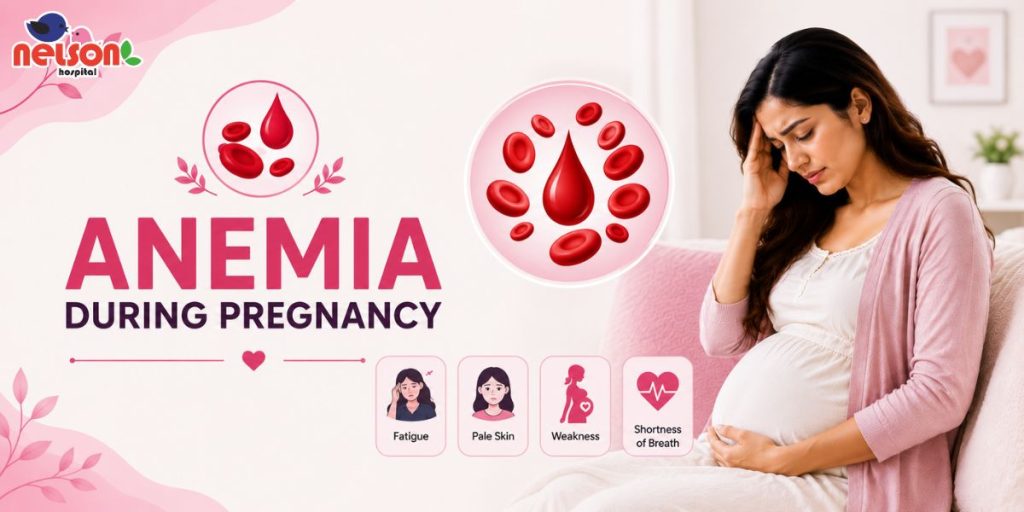
Anemia during pregnancy is one of the most common nutritional problems affecting expectant mothers worldwide. It occurs when the body does not have enough healthy red blood cells or hemoglobin to carry oxygen to tissues and the developing baby. If left untreated, anemia can lead to fatigue, complications during pregnancy, and risks for both mother and child.
At Nelson Hospital, we emphasize early diagnosis, proper nutrition, and timely treatment to ensure a safe and healthy pregnancy journey for every mother.
What is Anemia During Pregnancy?
Anemia is a condition in which hemoglobin levels in the blood fall below normal. During pregnancy, the body naturally produces more blood to support the growing baby. This increases the demand for iron, folic acid, and other nutrients.
When the body cannot meet this increased demand, iron deficiency anemia in pregnancy develops, making it harder for oxygen to reach both mother and baby.
Causes of Anemia During Pregnancy
Iron Deficiency in Pregnancy
The most common cause of anemia during pregnancy is iron deficiency. Iron is essential for producing hemoglobin, and increased pregnancy demands often deplete iron stores.
Poor Nutritional Intake
A diet lacking in iron-rich foods, folic acid, and vitamin B12 can increase the risk of anemia.
Increased Blood Volume
During pregnancy, blood volume increases significantly. If iron intake is insufficient, red blood cell production cannot keep up.
Pre-existing Anemia
Women who already have low hemoglobin levels before pregnancy are at higher risk of developing severe anemia.
Multiple Pregnancies
Carrying twins or having closely spaced pregnancies can increase iron demand and lead to anemia.
Symptoms of Anemia During Pregnancy
Fatigue and Weakness
One of the earliest and most common symptoms is extreme tiredness, even after adequate rest
Pale Skin and Nails
Reduced hemoglobin levels can make the skin, lips, and nails appear pale.
Shortness of Breath
Low oxygen supply in the body may cause breathlessness, especially during physical activity.
Dizziness and Headaches
Anemia can lead to reduced oxygen flow to the brain, causing dizziness or frequent headaches.
Rapid Heartbeat
The heart works harder to compensate for low oxygen levels, leading to palpitations.
Difficulty Concentrating
Many pregnant women with anemia experience poor focus and mental fatigue.
Risks of Anemia During Pregnancy
If untreated, anemia can lead to serious complications for both mother and baby:
- Preterm delivery
- Low birth weight baby
- Increased risk of infections
- Excessive fatigue during labor
- Postpartum complications
- Developmental delays in severe cases
Early detection and management are essential to avoid these risks.
Diagnosis of Anemia During Pregnancy
Hemoglobin Test in Pregnancy
A simple blood test is used to measure hemoglobin levels. This is usually done during routine prenatal check-ups.
- Normal range: 11 g/dL or higher
- Mild anemia: 10–10.9 g/dL
- Moderate anemia: 7–9.9 g/dL
- Severe anemia: below 7 g/dL
Your doctor may also recommend additional tests to check iron levels and overall nutritional status.
Treatment for Anemia During Pregnancy
Iron Supplements in Pregnancy
Iron supplements are commonly prescribed to restore hemoglobin levels. These are usually taken daily or as recommended by a doctor.
Folic Acid and Vitamin B12
These nutrients support red blood cell production and are essential for fetal development.
Intravenous Iron Therapy
In cases of severe anemia, iron may be given through IV therapy for faster recovery.
Treatment of Underlying Causes
If anemia is caused by other medical conditions, those conditions must also be treated.
Iron-Rich Diet for Pregnant Women
A balanced diet plays a key role in preventing and managing anemia.
Iron-Rich Foods
- Spinach and green leafy vegetables
- Lentils and beans
- Beetroot
- Dates and raisins
- Eggs and lean meat
- Fortified cereals
Vitamin C for Better Iron Absorption
Foods rich in vitamin C help the body absorb iron more effectively:
- Oranges
- Lemons
- Strawberries
- Tomatoes
Foods to Avoid with Iron Supplements
- Tea and coffee immediately after meals
- Excess calcium at the same time as iron supplements
Prevention of Anemia During Pregnancy
Early Prenatal Care
Regular check-ups help detect anemia early and prevent complications.
Balanced Nutrition
A nutrient-rich diet is the first step toward preventing iron deficiency anemia in pregnancy.
Prenatal Vitamins
Doctors often prescribe prenatal supplements to meet increased nutritional needs.
Healthy Pregnancy Planning
Proper spacing between pregnancies allows the body to recover iron stores.
When to See a Doctor
You should consult a doctor if you experience:
- Persistent fatigue
- Severe dizziness
- Shortness of breath
- Pale skin or nails
- Rapid heartbeat
Timely medical care can prevent complications and ensure a safe pregnancy.
Expert Pregnancy Care at Nelson Hospital
At Nelson Hospital, we provide comprehensive antenatal care, including anemia screening, nutritional counseling, and personalized treatment plans. Our goal is to ensure healthy mothers and healthy babies through every stage of pregnancy.
If you are experiencing symptoms of anemia during pregnancy, our gynecology specialists are here to provide expert diagnosis and safe treatment options.
Conclusion
Anemia during pregnancy is a common but manageable condition. With early diagnosis, proper diet, iron supplementation, and regular prenatal care, most women can recover fully and enjoy a healthy pregnancy.
Awareness and timely medical attention are key to preventing complications and ensuring the well-being of both mother and baby. At Nelson Hospital, we are committed to providing safe, compassionate, and expert maternity care.
Frequently Asked Questions
Anemia during pregnancy is a condition where hemoglobin levels are low, reducing oxygen supply to the body and baby.
The most common cause is iron deficiency, along with poor diet, increased blood volume, and multiple pregnancies.
Symptoms include fatigue, dizziness, pale skin, shortness of breath, and rapid heartbeat.
Yes, severe anemia can lead to low birth weight, preterm birth, and developmental issues if untreated.
It is treated with iron supplements, folic acid, vitamin B12, diet improvements, and in severe cases IV iron therapy.
Eating iron-rich foods, taking prenatal vitamins, and attending regular check-ups can help prevent anemia.
Book an Appointment