

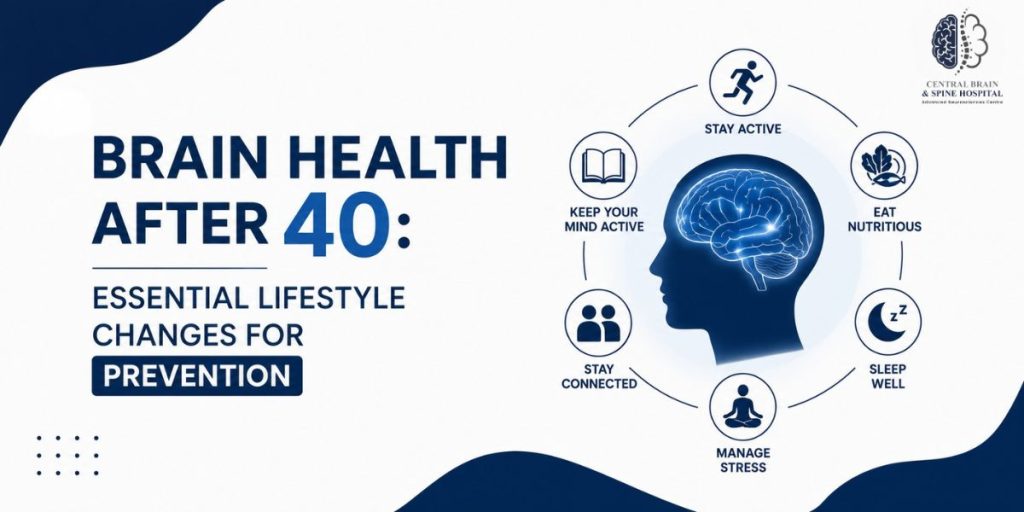
As we enter our 40s, maintaining good health becomes more important than ever. While most people focus on heart health, diabetes prevention, and fitness, brain health often receives less attention. However, the brain undergoes natural changes with age, making it crucial to adopt healthy habits that support cognitive function and reduce the risk of neurological disorders.
The good news is that many factors affecting brain health are within our control. By making simple yet effective lifestyle changes, individuals can protect memory, improve concentration, and promote long-term cognitive well-being. In this guide, we’ll explore essential strategies to keep your brain healthy after 40.
Why Cognitive Health Matters After 40
After the age of 40, the brain may begin to experience subtle changes in processing speed, memory retention, and mental flexibility. While these changes are a normal part of aging, unhealthy lifestyle choices can accelerate cognitive decline.
Research shows that factors such as poor nutrition, lack of exercise, chronic stress, and inadequate sleep can increase the risk of memory problems and neurodegenerative conditions later in life. Taking preventive steps early can significantly improve brain function and quality of life.
Healthy Diet for Brain Function and Memory
Nutrition plays a vital role in supporting brain health. The brain requires a steady supply of nutrients to function efficiently and maintain healthy neural connections.
To support cognitive performance:
- Eat plenty of leafy green vegetables such as spinach and kale.
- Include fatty fish rich in omega-3 fatty acids, including salmon and sardines.
- Consume nuts, seeds, and berries regularly.
- Choose whole grains over refined carbohydrates.
- Limit processed foods, excess sugar, and unhealthy fats.
Foods rich in antioxidants help combat oxidative stress, which can damage brain cells and contribute to cognitive decline. Staying hydrated is equally important, as even mild dehydration can affect concentration and memory.
Physical Activity for Better Brain Health
Regular exercise benefits not only the body but also the brain. Physical activity improves blood circulation, ensuring that the brain receives adequate oxygen and nutrients.
Experts recommend at least 150 minutes of moderate-intensity exercise each week. Activities such as walking, cycling, swimming, and yoga can help:
- Improve memory and learning abilities
- Enhance mood and mental clarity
- Reduce inflammation
- Lower the risk of stroke and dementia
Exercise also stimulates the release of growth factors that support the formation of new brain cells and strengthen neural connections.
Quality Sleep and Cognitive Performance
Sleep is essential for memory consolidation and overall brain function. During sleep, the brain processes information, removes waste products, and repairs itself.
Adults over 40 should aim for seven to nine hours of quality sleep each night. To improve sleep quality:
- Maintain a consistent sleep schedule.
- Avoid caffeine late in the day.
- Limit screen exposure before bedtime.
- Create a comfortable and quiet sleeping environment.
Chronic sleep deprivation has been linked to poor concentration, memory impairment, and an increased risk of cognitive disorders.
Stress Management for Mental Wellness
Long-term stress can have a significant impact on brain health. Elevated stress hormones may affect memory, learning, and emotional regulation over time.
Effective stress management techniques include:
- Meditation and mindfulness practices
- Deep breathing exercises
- Regular physical activity
- Spending time with family and friends
- Engaging in hobbies and recreational activities
Reducing stress not only supports mental well-being but also helps protect the brain from age-related cognitive decline.
Mental Stimulation and Brain Exercises
Just like muscles, the brain benefits from regular exercise. Keeping the mind active can help maintain cognitive abilities and improve mental sharpness.
Some effective brain-stimulating activities include:
- Reading books and articles
- Solving puzzles and crosswords
- Learning a new language
- Playing musical instruments
- Participating in educational courses
Lifelong learning encourages the brain to build new neural pathways, improving resilience against age-related changes.
Managing Chronic Health Conditions
Several medical conditions can affect brain health if left untreated. High blood pressure, diabetes, obesity, and high cholesterol can damage blood vessels and increase the risk of stroke and cognitive impairment.
Regular health checkups are essential for early detection and management of these conditions. Following your healthcare provider’s recommendations can help reduce long-term risks and support healthy brain aging.
Social Connections and Emotional Health
Maintaining strong social relationships is another important factor in preserving brain function. Social interaction stimulates cognitive activity and helps reduce feelings of loneliness and depression.
Ways to stay socially engaged include:
- Joining community groups
- Participating in volunteer activities
- Staying connected with friends and family
- Attending social events and gatherings
Research suggests that individuals with active social lives may experience better cognitive function as they age
When to Seek Medical Advice
Occasional forgetfulness is common, but persistent memory loss, confusion, difficulty performing daily tasks, or sudden changes in thinking should not be ignored.
Early evaluation by a healthcare professional can help identify underlying causes and ensure timely treatment. Seeking medical attention at the first sign of concerning symptoms can make a significant difference in long-term outcomes.
Conclusion
Protecting brain health after 40 requires a proactive approach that combines healthy eating, regular exercise, quality sleep, stress management, mental stimulation, and routine medical care. Small lifestyle changes made today can have a lasting impact on cognitive function and overall well-being in the years ahead.
At Nelson Hospital, we believe prevention is the foundation of lifelong health. By prioritizing brain wellness and adopting healthy habits, you can support memory, focus, and mental sharpness while reducing the risk of age-related cognitive decline.
Book an Appointment