

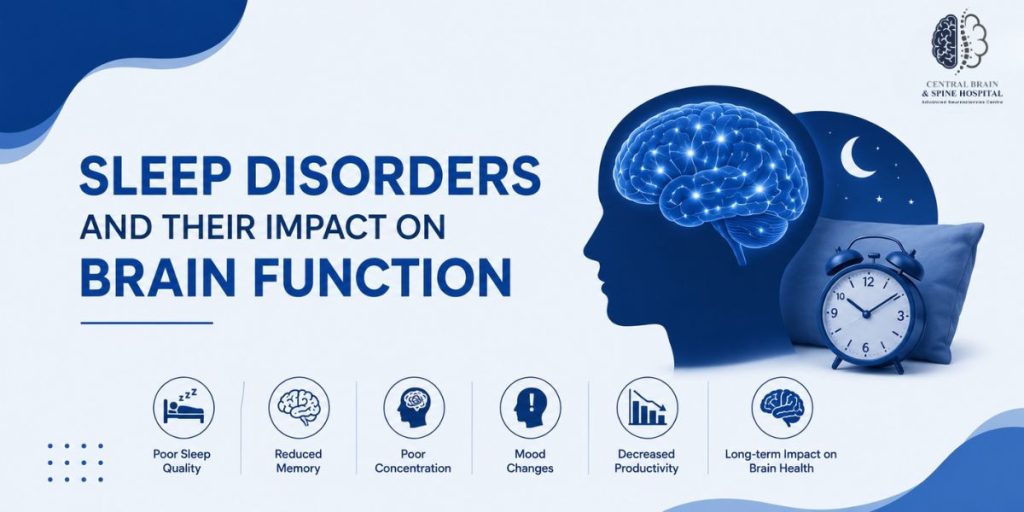
Sleep is one of the most important biological processes for maintaining overall health and well-being. While many people view sleep as simply a time for rest, it is actually a critical period during which the brain performs essential functions such as memory consolidation, emotional regulation, and cellular repair. Unfortunately, millions of people worldwide suffer from sleep disorders that disrupt these processes and negatively affect brain function. Understanding the connection between sleep disorders and brain health is crucial for maintaining cognitive performance and long-term wellness.
How Sleep Affects Cognitive Function and Brain Health
During sleep, the brain remains highly active. It processes information gathered throughout the day, strengthens neural connections, and removes harmful waste products that accumulate during waking hours. Adequate sleep supports learning, concentration, decision-making, creativity, and emotional stability.
When sleep is disrupted or insufficient, the brain cannot perform these functions effectively. Over time, poor sleep quality can impair cognitive abilities and increase the risk of neurological and mental health conditions.
Common Sleep Disorders That Impact Mental Performance
Several sleep disorders can significantly affect brain function. Some of the most common include:
Insomnia
Insomnia is characterized by difficulty falling asleep, staying asleep, or waking up too early. Chronic insomnia can lead to fatigue, reduced concentration, memory problems, and mood disturbances.
Sleep Apnea
Obstructive sleep apnea occurs when breathing repeatedly stops and starts during sleep. This condition reduces oxygen supply to the brain, resulting in poor sleep quality, daytime drowsiness, and impaired cognitive performance.
Restless Legs Syndrome (RLS)
People with restless legs syndrome experience uncomfortable sensations in their legs, creating an urge to move them. These symptoms often worsen at night and interfere with restful sleep.
Narcolepsy
Narcolepsy is a neurological disorder that affects the brain’s ability to regulate sleep-wake cycles. Individuals may experience excessive daytime sleepiness and sudden sleep attacks, affecting daily functioning and mental alertness.
Memory Problems and Learning Difficulties Due to Sleep Disorders
One of the most significant effects of sleep disorders is impaired memory. Sleep plays a vital role in consolidating information and transferring memories from short-term storage to long-term retention.
When sleep is interrupted, the brain struggles to process and store information effectively. Individuals with chronic sleep disorders often experience:
- Difficulty remembering new information
- Reduced ability to learn new skills
- Increased forgetfulness
- Poor academic or work performance
Students, professionals, and older adults are particularly vulnerable to these cognitive challenges.
Sleep Deprivation and Its Effects on Concentration
Lack of quality sleep can severely impact attention span and focus. Sleep-deprived individuals often find it difficult to stay alert, complete tasks efficiently, or make sound decisions.
Research has shown that sleep deprivation can slow reaction times and reduce problem-solving abilities. In some cases, the effects of prolonged wakefulness can be comparable to alcohol intoxication, increasing the risk of workplace errors and accidents.
The Connection Between Sleep Disorders and Mental Health
Sleep and mental health are closely interconnected. Chronic sleep disorders can contribute to emotional instability and increase the likelihood of developing mental health conditions.
People experiencing sleep problems are more likely to report symptoms of:
- Anxiety disorders
- Depression
- Chronic stress
- Irritability and mood swings
At the same time, mental health conditions can worsen sleep quality, creating a cycle that becomes difficult to break without proper treatment.
Long-Term Brain Health Risks Associated with Poor Sleep
Emerging research suggests that untreated sleep disorders may contribute to long-term neurological problems. Poor sleep can increase inflammation, oxidative stress, and the accumulation of harmful proteins in the brain.
These factors have been linked to an increased risk of:
- Cognitive decline
- Dementia
- Alzheimer’s disease
- Stroke
- Neurodegenerative disorders
Protecting sleep quality may play an important role in preserving brain health as people age.
Effective Treatment Options for Sleep Disorders
The good news is that many sleep disorders can be successfully managed with proper medical care and lifestyle changes. Treatment options may include:
- Cognitive Behavioral Therapy for Insomnia (CBT-I)
- Continuous Positive Airway Pressure (CPAP) therapy for sleep apnea
- Medications prescribed by healthcare professionals
- Stress management techniques
- Improved sleep hygiene practices
- Regular physical activity
Early diagnosis and treatment can significantly improve sleep quality and restore cognitive function.
Tips for Improving Sleep Quality Naturally
Simple lifestyle changes can help support better sleep and brain health:
- Maintain a consistent sleep schedule.
- Limit screen exposure before bedtime.
- Avoid caffeine and heavy meals late in the evening.
- Create a quiet and comfortable sleeping environment.
- Practice relaxation techniques such as meditation or deep breathing.
These habits can promote restorative sleep and enhance overall mental performance.
Conclusion
Sleep disorders are more than just an inconvenience—they can have a profound impact on brain function, memory, concentration, and emotional well-being. Whether caused by insomnia, sleep apnea, or other sleep-related conditions, disrupted sleep can affect every aspect of daily life. Seeking timely medical evaluation and adopting healthy sleep habits can help prevent long-term complications and support optimal brain health. If you are experiencing persistent sleep difficulties, consulting a healthcare professional is the first step toward better sleep and improved cognitive function.
Book an Appointment