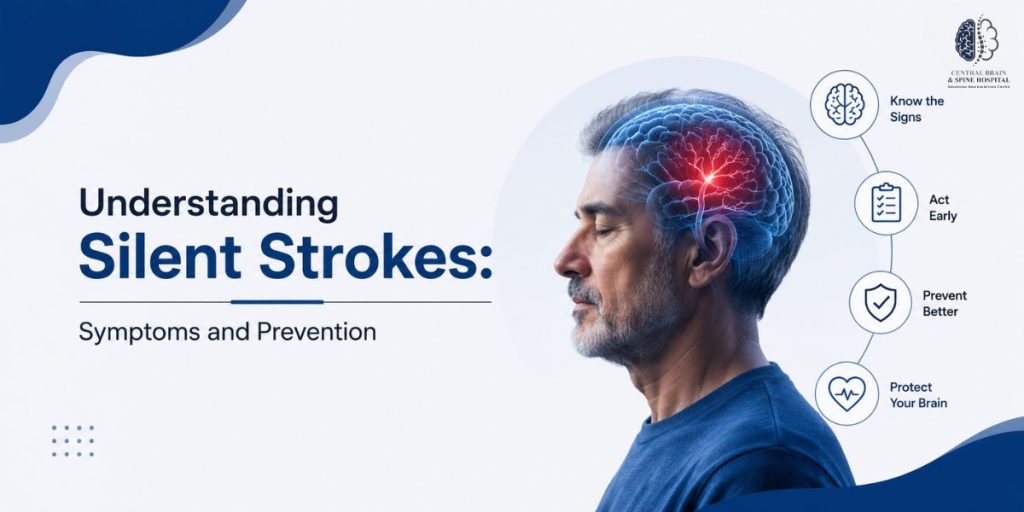
Stroke is often associated with sudden symptoms such as weakness, speech difficulties, or paralysis. However, not all strokes announce themselves with noticeable warning signs. A silent stroke occurs without obvious symptoms, making it difficult to detect. Despite the lack of visible signs, silent strokes can cause significant damage to the brain and increase the risk of future health complications.
Understanding silent strokes, their symptoms, risk factors, and prevention strategies is essential for maintaining long-term brain health. Early awareness can help individuals take proactive steps to reduce their risk and protect their overall well-being.
What Is a Silent Stroke?
A silent stroke occurs when blood flow to a part of the brain is temporarily blocked, causing damage to brain cells. Unlike traditional strokes, silent strokes do not produce immediate or noticeable symptoms. Many people remain unaware that they have experienced one until it is discovered during a brain imaging scan such as an MRI.
Although the symptoms may not be obvious, the brain damage caused by silent strokes is real. Over time, multiple silent strokes can affect memory, thinking abilities, balance, and cognitive function.
Silent Stroke Symptoms and Warning Signs
One of the biggest challenges in diagnosing silent strokes is the absence of classic stroke symptoms. However, some subtle warning signs may indicate that brain damage has occurred.
Common silent stroke symptoms may include:
- Mild memory problems
- Difficulty concentrating
- Changes in mood or behavior
- Balance and coordination issues
- Slower thinking processes
- Unexplained confusion
- Difficulty performing routine tasks
Because these symptoms can develop gradually, they are often mistaken for normal aging or stress-related issues. If cognitive changes become noticeable, medical evaluation is recommended.
Risk Factors for Silent Strokes
Several factors can increase the likelihood of experiencing a silent stroke. Understanding these risks is a crucial step toward prevention.
High Blood Pressure and Brain Health
High blood pressure is the leading risk factor for silent strokes. Elevated blood pressure can damage blood vessels in the brain, increasing the chances of reduced blood flow and stroke-related injuries.
Diabetes and Stroke Risk
People with diabetes are more likely to develop blood vessel damage, making them vulnerable to silent strokes. Proper blood sugar management plays a key role in reducing this risk
Heart Disease and Blood Circulation Problems
Heart conditions such as atrial fibrillation, coronary artery disease, and heart failure can contribute to blood clots and reduced circulation, increasing stroke risk.
Smoking and Excessive Alcohol Consumption
Smoking damages blood vessels and reduces oxygen supply to the brain. Excessive alcohol use can also contribute to high blood pressure and other cardiovascular problems.
Obesity and Physical Inactivity
A sedentary lifestyle and excess body weight are linked to several stroke-related risk factors, including diabetes, hypertension, and high cholesterol.
How Silent Strokes Affect Brain Function
Many people assume that a silent stroke is harmless because it does not cause immediate symptoms. In reality, repeated silent strokes can have serious consequences.
Brain damage caused by silent strokes may lead to:
- Cognitive decline
- Memory loss
- Increased risk of dementia
- Reduced problem-solving abilities
- Difficulty with mobility and coordination
- Higher likelihood of a major stroke in the future
Research has shown that individuals who experience silent strokes are at a significantly greater risk of developing a symptomatic stroke later in life. This makes early detection and prevention especially important.
Diagnosing Silent Strokes Through Brain Imaging
Since silent strokes often go unnoticed, they are typically discovered during diagnostic imaging performed for other medical concerns.
Doctors may recommend:
- Magnetic Resonance Imaging (MRI)
- Computed Tomography (CT) scans
- Neurological assessments
- Cardiovascular evaluations
MRI scans are particularly effective at detecting small areas of brain damage caused by silent strokes. Individuals with multiple risk factors may benefit from regular health screenings and consultations with healthcare professionals.
Effective Silent Stroke Prevention Strategies
Preventing silent strokes involves managing risk factors and maintaining a healthy lifestyle. Small daily changes can significantly reduce the likelihood of brain damage and future stroke complications.
Control Blood Pressure Naturally
Regular blood pressure monitoring is one of the most effective ways to prevent silent strokes. Follow medical advice, reduce salt intake, and maintain a healthy diet.
Follow a Heart-Healthy Diet
A diet rich in fruits, vegetables, whole grains, lean proteins, and healthy fats supports both heart and brain health. Limiting processed foods and saturated fats can further reduce stroke risk.
Stay Physically Active
Regular exercise improves circulation, controls weight, and helps manage blood pressure and cholesterol levels. Aim for at least 30 minutes of moderate activity most days of the week.
Manage Diabetes Effectively
Maintaining healthy blood sugar levels can protect blood vessels and reduce stroke-related complications.
Avoid Smoking and Limit Alcohol
Quitting smoking and moderating alcohol consumption can greatly improve cardiovascular and neurological health.
Schedule Regular Health Checkups
Routine medical examinations can identify hidden risk factors before they lead to serious health issues. Early intervention remains one of the best preventive measures.
Conclusion
Silent strokes may occur without noticeable symptoms, but their impact on brain health can be significant. These hidden events can increase the risk of memory problems, cognitive decline, and future strokes if left unaddressed. Understanding silent stroke symptoms, recognizing risk factors, and adopting preventive lifestyle habits are essential for protecting long-term brain function.
At Nelson Hospital, our experienced healthcare professionals are committed to helping patients maintain optimal brain and cardiovascular health through early diagnosis, preventive care, and comprehensive treatment. If you have concerns about stroke risk factors or changes in cognitive function, seeking timely medical advice can make a meaningful difference in your overall health and quality of life.
Book an Appointment