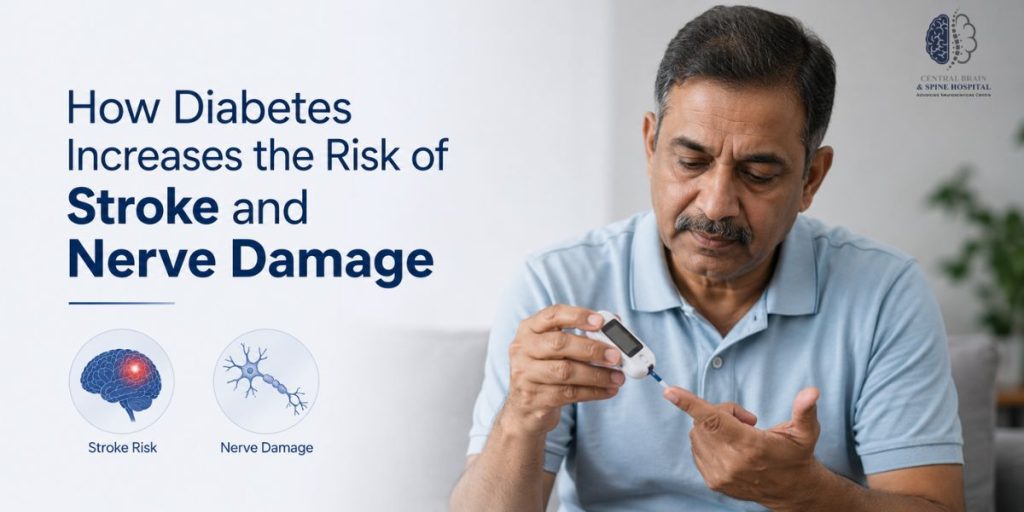
Diabetes is one of the most common chronic health conditions affecting millions of people worldwide. While many people associate diabetes with high blood sugar levels, the disease can have far-reaching effects on various parts of the body. Among the most serious complications are stroke and nerve damage, both of which can significantly impact a person’s quality of life. Understanding how diabetes increases the risk of stroke and nerve damage is essential for preventing long-term health problems and maintaining overall well-being.
The Connection Between Diabetes and Blood Vessel Damage
Diabetes occurs when the body cannot properly regulate blood sugar levels. Over time, consistently high blood glucose damages blood vessels throughout the body. Healthy blood vessels are responsible for carrying oxygen and nutrients to vital organs, including the brain and nerves.
When blood sugar remains elevated for long periods, blood vessels become narrow, stiff, and less efficient. This reduced blood flow can lead to serious complications, including cardiovascular disease, stroke, and diabetic neuropathy. The longer diabetes remains uncontrolled, the greater the risk of developing these conditions.
Diabetes and Stroke Risk: Understanding the Link
People with diabetes are significantly more likely to experience a stroke compared to those without the condition. A stroke occurs when blood flow to the brain is blocked or when a blood vessel in the brain bursts. Since diabetes damages blood vessels and increases the risk of blood clots, it creates the perfect environment for stroke-related complications.
High blood sugar levels can also contribute to high blood pressure and elevated cholesterol levels, two major stroke risk factors. Together, these conditions accelerate the buildup of fatty deposits in arteries, restricting blood flow to the brain.
Additionally, diabetes often coexists with obesity and heart disease, further increasing stroke risk. Individuals with diabetes may develop strokes at a younger age and often experience more severe outcomes than those without diabetes.
Warning Signs of Stroke in Diabetic Patients
Recognizing stroke symptoms early can save lives and reduce long-term disability. Common warning signs include:
- Sudden weakness or numbness on one side of the body
- Difficulty speaking or understanding speech
- Sudden confusion
- Blurred or lost vision
- Severe headache without a known cause
- Dizziness or loss of balance
If any of these symptoms occur, immediate medical attention is critical. Early treatment can help minimize brain damage and improve recovery outcomes.
Diabetic Neuropathy: How High Blood Sugar Damages Nerves
One of the most common complications of diabetes is diabetic neuropathy, a condition caused by nerve damage resulting from prolonged high blood sugar levels. Excess glucose can injure the tiny blood vessels that supply nerves with oxygen and nutrients, leading to gradual nerve deterioration.
Nerve damage often develops slowly and may go unnoticed in its early stages. However, as the condition progresses, symptoms can become more severe and affect daily activities.
The most common type is peripheral neuropathy, which typically affects the feet and legs first. Some patients may also experience symptoms in their hands and arms.
Symptoms of Diabetes-Related Nerve Damage
Diabetic nerve damage can cause a variety of symptoms, including:
- Tingling or burning sensations
- Numbness in the hands or feet
- Sharp or stabbing pain
- Muscle weakness
- Loss of balance and coordination
- Increased sensitivity to touch
In severe cases, nerve damage may lead to foot ulcers, infections, and even amputation if left untreated. This is why regular diabetes management and foot care are essential for preventing complications
Managing Blood Sugar to Reduce Stroke and Neuropathy Risk
The good news is that many diabetes-related complications can be prevented or delayed through proper disease management. Keeping blood sugar levels within the target range is one of the most effective ways to protect blood vessels and nerves.
Patients should focus on:
- Monitoring blood glucose regularly
- Following a healthy, balanced diet
- Engaging in regular physical activity
- Taking prescribed medications as directed
- Managing blood pressure and cholesterol levels
- Avoiding smoking and excessive alcohol consumption
Routine medical checkups also play a crucial role in identifying early signs of complications before they become serious.
Lifestyle Changes for Better Diabetes Control
Healthy lifestyle habits can significantly reduce the risk of stroke and nerve damage in people with diabetes. A diet rich in fruits, vegetables, whole grains, lean proteins, and healthy fats supports stable blood sugar levels and cardiovascular health.
Regular exercise improves circulation, helps control weight, and enhances insulin sensitivity. Even moderate activities such as walking, cycling, or swimming can provide substantial health benefits.
Stress management is equally important, as chronic stress can affect blood sugar control. Practices such as yoga, meditation, and adequate sleep can support overall diabetes management.
When to Seek Medical Help
Individuals with diabetes should never ignore symptoms such as persistent numbness, unexplained pain, sudden weakness, or signs of a stroke. Early diagnosis and treatment can prevent complications from worsening and improve long-term outcomes.
Healthcare providers can recommend personalized treatment plans, screenings, and preventive measures to help patients manage diabetes effectively and maintain a healthy lifestyle.
Conclusion
Diabetes is more than a blood sugar disorder—it is a condition that can affect nearly every system in the body. Uncontrolled diabetes damages blood vessels and nerves, increasing the risk of stroke and diabetic neuropathy. Fortunately, with proper blood sugar management, healthy lifestyle choices, and regular medical care, many of these complications can be prevented. Taking proactive steps today can help protect your brain, nerves, and overall health for years to come.
Book an Appointment