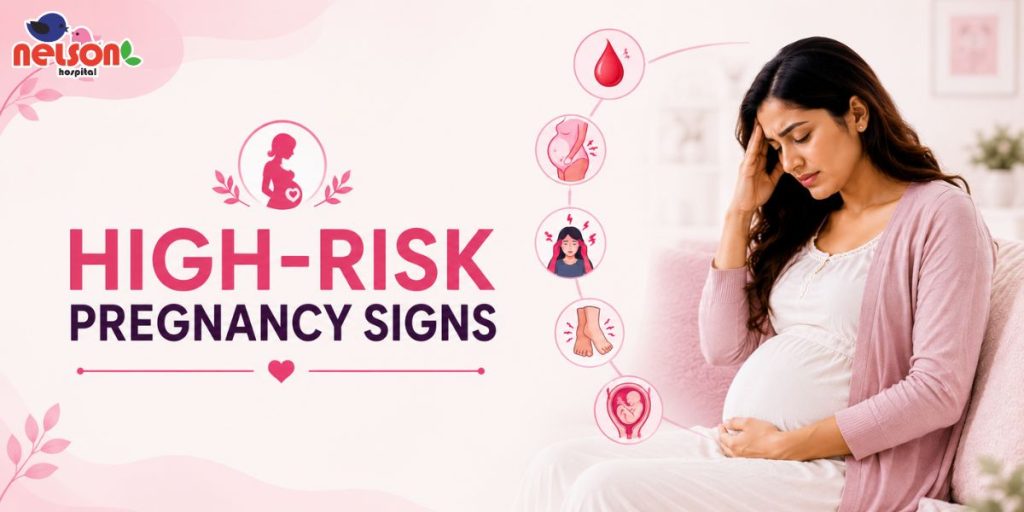
Pregnancy is a beautiful journey, but in some cases, it may come with increased medical risks that require special attention. A high-risk pregnancy means that the mother or baby has a higher chance of health complications before, during, or after delivery. Identifying high-risk pregnancy signs early is crucial for ensuring timely medical care and a safe delivery.
At Nelson Hospital, our maternity experts emphasize early detection, regular monitoring, and personalized care to manage high-risk pregnancies effectively.
What is a High-Risk Pregnancy?
A pregnancy is considered high-risk when there are potential complications that could affect the mother, baby, or both. These risks may arise due to pre-existing health conditions, pregnancy-related issues, or lifestyle factors.
However, being classified as high-risk does not mean complications will definitely occur. With proper medical supervision, most women with high-risk pregnancies deliver healthy babies.
Common High-Risk Pregnancy Signs You Should Not Ignore
Recognizing early warning signs can help prevent complications. Below are the most important symptoms that require immediate medical attention.
Severe Abdominal Pain or Cramping
Persistent or severe abdominal pain during pregnancy may indicate complications such as miscarriage risk, ectopic pregnancy, or placental issues. Mild discomfort can be normal, but intense or continuous pain should never be ignored
Heavy Vaginal Bleeding or Spotting
Light spotting may sometimes occur, but heavy bleeding or blood clots can signal serious conditions such as placental abruption or miscarriage. Immediate medical evaluation is necessary.
Severe Headaches and Vision Changes
Frequent or intense headaches accompanied by blurred vision, sensitivity to light, or dizziness may indicate high blood pressure or preeclampsia, a serious pregnancy complication.
Swelling in Hands, Feet, or Face
Some swelling is normal during pregnancy, but sudden or excessive swelling—especially in the face and hands—can be a warning sign of pregnancy-induced hypertension.
Reduced Baby Movement
If you notice a significant decrease in fetal movements, it may indicate fetal distress. Monitoring your baby’s movement regularly is important, especially in the third trimester.
High Fever or Infection Symptoms
A persistent fever, chills, or signs of infection during pregnancy can affect both mother and baby. Infections need immediate diagnosis and treatment.
Causes of High-Risk Pregnancy
Several factors can increase the likelihood of a high-risk pregnancy. These include:
Pre-Existing Medical Conditions
Conditions such as diabetes, hypertension, thyroid disorders, and heart disease can increase pregnancy risks.
Maternal Age Factors
Women below 18 years or above 35 years are more likely to experience pregnancy complications.
Multiple Pregnancies
Carrying twins or triplets increases the risk of premature birth and other complications.
Lifestyle Factors
Smoking, alcohol consumption, poor nutrition, and lack of prenatal care can contribute to high-risk conditions.
Previous Pregnancy Complications
A history of miscarriage, preterm birth, or cesarean delivery may increase future pregnancy risks.
Importance of Early Detection of Pregnancy Complications
Early identification of high-risk pregnancy signs allows doctors to provide timely interventions. Regular prenatal check-ups help monitor:
- Blood pressure levels
- Blood sugar levels
- Fetal growth and development
- Placental health
- Amniotic fluid levels
Early intervention significantly reduces complications and improves outcomes for both mother and baby.
Managing a High-Risk Pregnancy
With proper care and medical support, high-risk pregnancies can be managed effectively.
Regular Prenatal Visits
Frequent check-ups allow doctors to closely monitor maternal and fetal health. This helps detect problems early and prevent complications.
Healthy Diet and Lifestyle
A balanced diet rich in vitamins, minerals, and proteins supports fetal development. Avoiding processed foods, caffeine, and harmful substances is essential.
Medications and Medical Care
Depending on the condition, doctors may prescribe medications to control blood pressure, blood sugar, or other health issues.
Rest and Stress Management
Adequate rest and stress reduction techniques such as yoga and meditation can improve overall pregnancy health.
High-Risk Pregnancy Care at Nelson Hospital
High-Risk Pregnancy Care at Nelson Hospital
At Nelson Hospital, we provide specialized maternity care for women experiencing high-risk pregnancies. Our expert gynecologists, obstetricians, and neonatal specialists work together to ensure the safest possible outcome for both mother and baby.
We offer:
- Advanced prenatal screening
- Continuous fetal monitoring
- Personalized pregnancy care plans
- Emergency obstetric care
- NICU support for newborns
Our goal is to ensure every mother receives the highest standard of care throughout her pregnancy journey.
When to Seek Immediate Medical Help
You should visit a hospital immediately if you experience:
- Severe abdominal pain
- Heavy bleeding
- Severe headache or vision problems
- Sudden swelling
- Reduced fetal movement
- High fever
- Difficulty breathing
Timely medical intervention can be life-saving in high-risk pregnancies.
Conclusion
Understanding high-risk pregnancy signs is essential for protecting maternal and fetal health. Early detection, regular monitoring, and proper medical care can significantly reduce risks and ensure a safe pregnancy.
If you notice any warning symptoms or have risk factors, do not delay medical consultation. At Nelson Hospital, we are committed to providing compassionate and advanced maternity care to support you at every step of your pregnancy journey.
Frequently Asked Questions
Early signs include severe abdominal pain, heavy bleeding, high blood pressure symptoms, swelling, and reduced fetal movement.
Women with pre-existing medical conditions, age above 35, multiple pregnancies, or previous pregnancy complications are at higher risk.
Yes, with proper monitoring and medical care, many high-risk pregnancies result in healthy deliveries.
Avoid smoking, alcohol, stress, unhealthy food, and skipping prenatal check-ups.
Your doctor may recommend more frequent visits, depending on your condition—sometimes every 1–2 weeks or even weekly.
It depends on the condition. Some women may need partial or complete bed rest as advised by their doctor.
Book an Appointment