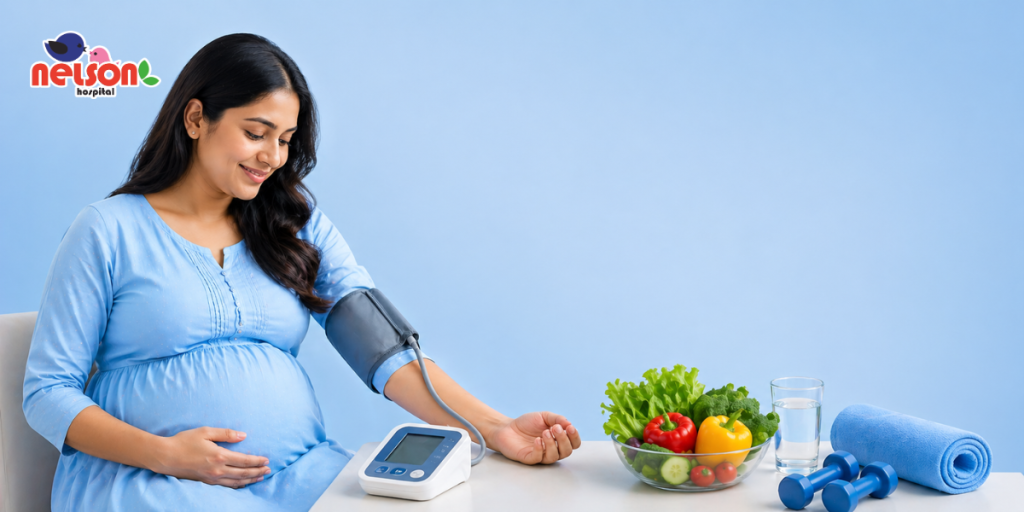
When pregnant, blood pressure needs to be managed in order to avoid complications that can affect the health of you and your fetus.
Pregnancy presents unique challenges that change the blood pressure of women who are pregnant; the body is under increased stress and undergoes massive hormonal changes. With careful attention, the right diet, and a proper lifestyle, blood pressure can be managed during the course of the pregnancy.
Blood Pressure in Pregnancy
Blood pressure is the measurement of blood that strikes the walls of arteries. Blood pressure is generally increased with the increased stressors placed on the body, such as pregnancy.
There are several types of blood pressure in pregnancy that are particularly concerning:
- Gestational hypertension
- Chronic hypertension
- Preeclampsia (a very serious and life threatening condition)
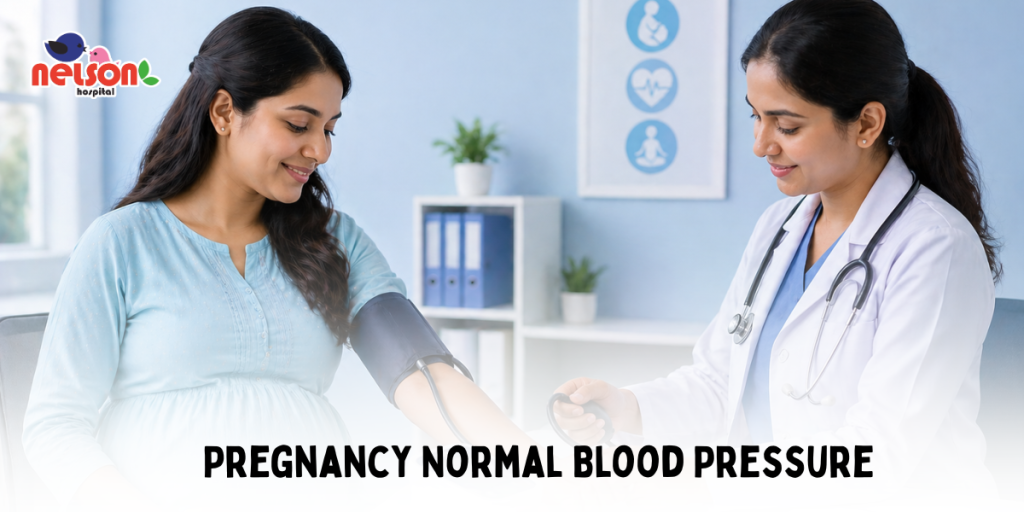
Pregnancy Normal Blood Pressure
A typical blood pressure value is considered to be 120/80 mmHg.
- Slight changes are common during pregnancy
- Blood pressure above 140/90 mmHg may be considered high
- Regular monitoring is essential to avoid complications
Causes of High BP During Pregnancy
High blood pressure during pregnancy may result from several factors, including:
- Stress and anxiety
- Poor diet
- Lack of physical activity
- Obesity
- Family history of hypertension
- Multiple pregnancy (twins, etc.)
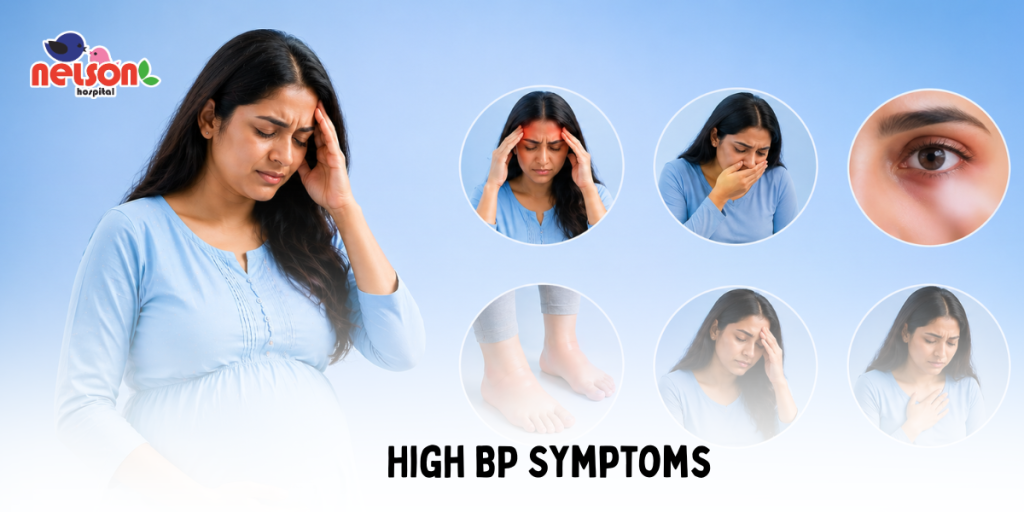
High BP Symptoms
Sometimes high blood pressure shows no symptoms, but in some cases, you may notice:
- Severe headaches
- Swelling in hands and face
- Blurred vision
- Dizziness
- Shortness of breath
Seek medical attention promptly if you experience these symptoms.
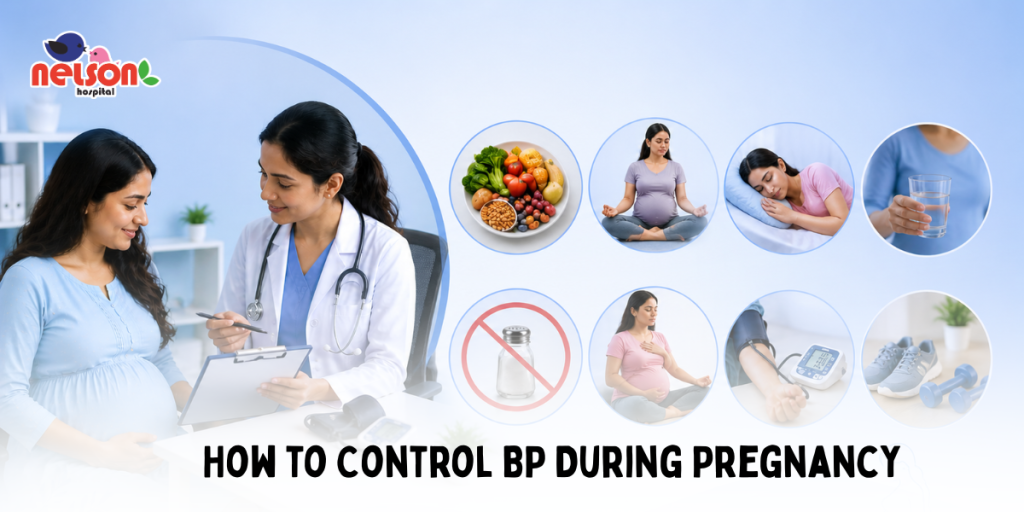
How to Control BP During Pregnancy
- 1. Eat a Healthy Diet :Include fresh fruits, vegetables, whole grains, and low-fat dairy products. Reduce salt intake and avoid processed foods.
- 2. Reduce Salt Intake :Excess salt can increase blood pressure, so try to limit salty snacks and packaged foods.
- 3. Stay Hydrated :Drinking enough water helps maintain proper blood circulation.
- 4. Manage Stress :Use relaxation methods such as deep breathing, meditation, or prenatal yoga.
- 5. Stay Physically Active :Light exercises such as walking can help regulate blood pressure.
- 6. Monitor Blood Pressure Regularly :Keep track of your BP levels at home or during doctor visits.
- 7. Take Medicines as Prescribed :If your doctor recommends a certain medication, you need to take them as directed and don't skip doses..
What to Avoid
- Foods containing a lot of salt
- Processed foods and junk foods
- Immoderate caffeine
- Alcohol and smoking
- Stressful situations
When to Consult a Doctor
- BP readings are high
- You are having severe headaches/vision issues
- You are swelling suddenly
- You experience decreased fetal movements
Conclusion
For a healthy and safe pregnancy, controlled blood pressure is a must. BP along with a good diet and regular monitoring. Always be observant of your good and healthy habits and your doctor, as necessary.
Your health is the most important, as it impacts your baby, also.
Book an Appointment