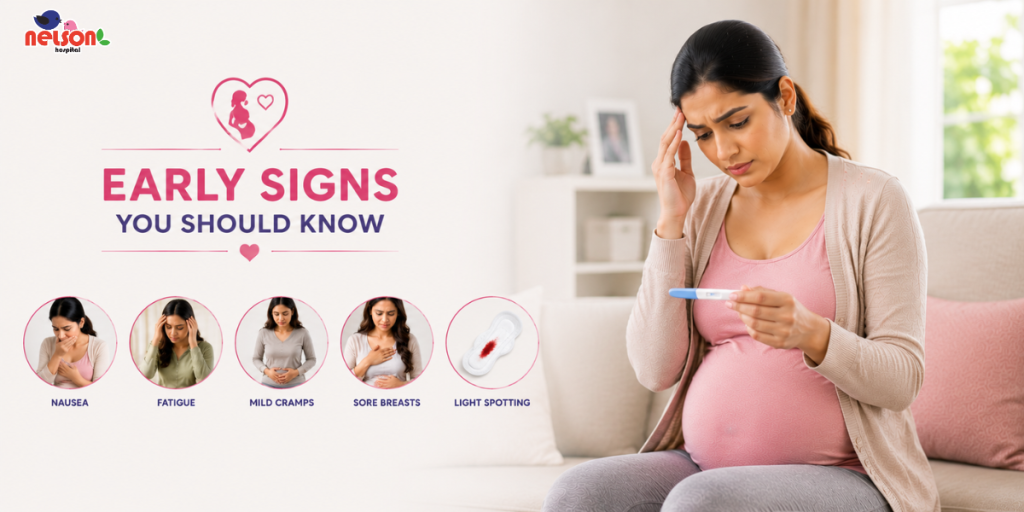
Pregnancy is a life-changing journey, and for many women, the first signs can be both exciting and confusing. Some symptoms are very mild, while others are more noticeable. Understanding these changes early can help you take proper care of your health and seek medical advice at the right time.
In this blog, we will clearly explain pregnancy symptoms in a simple and human-friendly way so you can easily recognize the early signs.
1. Missed Period
One of the most common and earliest signs of pregnancy is a missed period. If your menstrual cycle is regular and you suddenly miss your period, it could be a strong indication of pregnancy.
However, stress, hormonal imbalance, or illness can also cause delays, so a pregnancy test is important for confirmation.
2. Morning Sickness (Nausea and Vomiting)
Many women experience nausea, especially in the morning during early pregnancy. This is called morning sickness, although it can happen at any time of the day.
Symptoms include:
Feeling sick or dizzy
Vomiting
Sensitivity to smell
This usually starts around the 4th to 6th week of pregnancy and improves after the first trimester.
3. Breast Changes
Hormonal changes in early pregnancy affect the breasts. You may notice:
Tender or sore breasts
Increased sensitivity
Darkening of nipples
Slight increase in size
These changes prepare the body for breastfeeding.
4. Fatigue and Tiredness
Feeling extremely tired without doing much work is a very common early pregnancy symptom. The body starts working harder to support the growing baby, which leads to low energy levels.
✔ You may feel sleepy throughout the day ✔ Even simple tasks may feel exhausting
Rest and proper nutrition are very important during this time.
5. Frequent Urination
In early pregnancy, hormonal changes increase blood flow to the kidneys, leading to more frequent urination.
You may:
Visit the washroom more often.
Wake up at night to urinate.
This is normal unless it is accompanied by pain or burning.
6. Mood Swings
Emotional changes are very common due to hormonal fluctuations. You may feel:
Happy one moment
Emotionally or irritated the next
These mood swings are normal and usually settle as pregnancy progresses.
7. Food Cravings and Aversions
Many women experience sudden changes in food preferences.
✔ Craving for certain foods ❌ Dislike for foods you once enjoyed
This is linked to hormonal changes and is completely normal.
8. Light Spotting or Implantation Bleeding
Some women notice light spotting when the fertilized egg attaches to the uterus. This is called implantation bleeding.
It is:
Light pink or brown in color
Much lighter than a regular period
Short in duration
Not all women experience this symptom.
9. Bloating and Constipation
Hormonal changes slow down digestion, which can cause bloating and constipation in early pregnancy.
To manage it:
Drink plenty of water.
Eat fiber-rich foods
Avoid junk food
10. Headaches and Dizziness
Increased blood flow and hormonal changes may cause mild headaches or dizziness in early pregnancy.
Rest, hydration, and proper nutrition can help reduce these symptoms.
When Should You Take a Pregnancy Test?
If you notice multiple symptoms like missed period, nausea, and breast tenderness, it is a good idea to take a home pregnancy test.
For accurate results:
Take the test after a missed period.
Use morning urine for better accuracy.
Confirm with a doctor if positive.
Conclusion
Understanding pregnancy symptoms explained helps you recognize early changes in your body and take timely action. While these signs can strongly indicate pregnancy, only a proper test and medical consultation can confirm it.
Every woman’s experience is different—some may feel many symptoms, while others may feel very few. The key is to stay calm, observe your body, and seek medical guidance when needed.